The Rise of the Spartan Army
A Brief History of Ancient Sparta
Sparta, a city-state located in the Peloponnese region of ancient Greece, was known for its military prowess and strict social hierarchy. Founded in the 10th century BC, Sparta’s unique culture and traditions would eventually shape the development of its legendary army. The city’s history is marked by a series of wars, alliances, and internal struggles that would contribute to the creation of one of the most feared and respected militaries of the ancient world.
The Birth of the Spartan Army
The Spartan army’s origins date back to the 7th century BC, when the city’s rulers, known as the Spartans, began to develop a unique system of education and training for their young warriors. The agoge, a rigorous and often brutal program, was designed to create a new generation of skilled and disciplined soldiers. The agoge included a combination of physical and mental training, as well as a focus on the development of the individual’s character and sense of duty.
The Structure of the Spartan Army
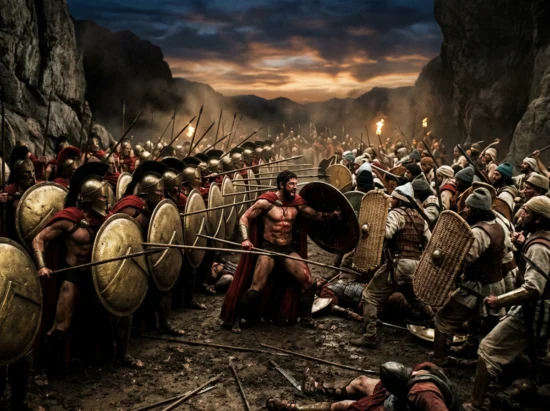
The Spartan army was divided into three main units: the holpites (heavily armored infantry), the hippeis (cavalry), and the psiloi (light infantry). Each unit had its own specific role and responsibilities within the army. The holpites were the backbone of the Spartan army, providing the heavy infantry that would engage in close combat. The hippeis were used for reconnaissance and pursuit, while the psiloi were employed for skirmishing and rapid deployment.
The Agoge: Training the Spartan Warriors
The agoge was a key component in the development of the Spartan army. Young boys, typically between the ages of 7 and 14, would be selected for the program and undergo rigorous training that would prepare them for a life of service to the city-state. The agoge included a combination of physical and mental training, as well as a focus on the development of the individual’s character and sense of duty. Boys would be trained in the use of weapons, as well as in the art of combat, and would be expected to demonstrate exceptional courage and strength in battle.
The Importance of Discipline and Loyalty
Discipline and loyalty were key components in the Spartan army’s culture. Soldiers were expected to adhere to a strict code of conduct, which included a focus on duty, honor, and loyalty to the city-state. The Spartans believed that a good soldier was one who was willing to sacrifice himself for the greater good, and that loyalty to the army and the city was paramount. This emphasis on discipline and loyalty helped to create a sense of unity and cohesion within the army, which would prove to be a decisive factor in the Spartans’ military successes.
The Legacy of the Spartan Army
The Spartan army’s legacy extends far beyond the city-state’s own history. The Spartans’ military tactics and strategies would be studied and emulated by other ancient civilizations, including the Romans. The Spartans’ emphasis on discipline, loyalty, and the development of the individual’s character would also influence the development of Western philosophy and culture. The Spartan army’s legacy serves as a testament to the enduring power of a well-trained and well-led military force, and the importance of adhering to a strict code of conduct in times of war.
Conclusion
The Spartan army’s rise to prominence is a testament to the city-state’s unique culture and traditions. The Spartans’ emphasis on discipline, loyalty, and the development of the individual’s character helped to create a sense of unity and cohesion within the army, which would prove to be a decisive factor in the Spartans’ military successes. The legacy of the Spartan army continues to inspire and influence military forces around the world, and serves as a reminder of the importance of adhering to a strict code of conduct in times of war.
FAQ
What was the primary focus of the Spartan army’s education and training program?
The primary focus of the Spartan army’s education and training program, known as the agoge, was to create a new generation of skilled and disciplined soldiers. The agoge included a combination of physical and mental training, as well as a focus on the development of the individual’s character and sense of duty.
How was the Spartan army structured?
The Spartan army was divided into three main units: the holpites (heavily armored infantry), the hippeis (cavalry), and the psiloi (light infantry). Each unit had its own specific role and responsibilities within the army.
What was the significance of the agoge in the development of the Spartan army?
The agoge was a key component in the development of the Spartan army. Young boys, typically between the ages of 7 and 14, would be selected for the program and undergo rigorous training that would prepare them for a life of service to the city-state.
What were the key components of the Spartan army’s culture?
The key components of the Spartan army’s culture included discipline, loyalty, and the development of the individual’s character. Soldiers were expected to adhere to a strict code of conduct, which included a focus on duty, honor, and loyalty to the city-state.