The History of Swords in Warfare
A Brief Introduction
The use of swords in warfare dates back to ancient times, with evidence of their existence found in civilizations such as the Egyptians, Greeks, and Romans. Throughout history, swords have played a significant role in various conflicts, serving as a primary means of combat, a symbol of power, and a reflection of the cultures that wielded them. In this article, we will delve into the history of swords in warfare, exploring their evolution, development, and impact on the course of human conflict.
Early Beginnings: The Emergence of Swords in Ancient Warfare
The earliest known swords were made from copper, bronze, and other metals, and were used in various forms of combat, including hand-to-hand fighting, jousting, and melee battles. In ancient Egypt, around 3000 BCE, the first known swords were created, with the Egyptians using them in battles against neighboring tribes. Similarly, in ancient Greece, around 800 BCE, the first Greek swords were forged, with the Greeks employing them in battles against the Persians.
The development of swords in ancient times was closely tied to the evolution of armor and the emergence of cavalry. As armor became more sophisticated, the need for a more effective means of cutting through armor arose, leading to the creation of more advanced swords. In ancient Rome, the gladius, a short sword, was used in close combat, while the longer spatha was used by cavalry units.
The Middle Ages: Swords in the Hands of Knights
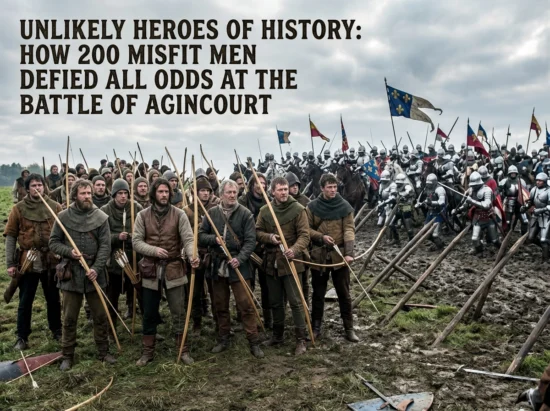
The Middle Ages saw a significant rise in the use of swords in warfare, particularly among the nobility and knights. The development of plate armor in the 14th century led to the creation of longer, heavier swords, such as the broadsword and the greatsword, designed to penetrate armor. Knights, armed with these swords, became the epitome of medieval warfare, with their armor and swords serving as a symbol of their power and status.
During this period, the use of swords in warfare became more formalized, with the development of chivalry and the code of conduct that governed the behavior of knights. The use of swords was also influenced by the rise of tournaments, where knights would compete against each other in jousting and other forms of combat, using swords as their primary means of attack.
The Age of Firearms: The Decline of Swords in Warfare
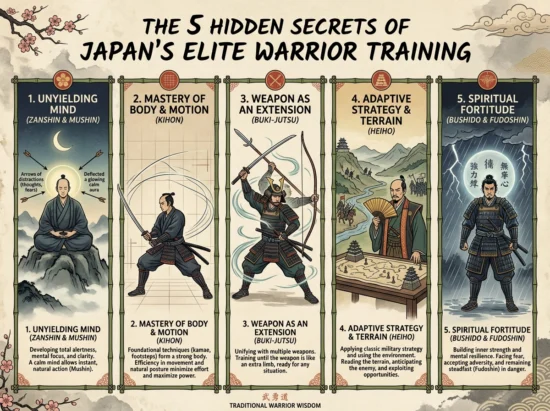
With the advent of firearms in the 15th century, the use of swords in warfare began to decline. Firearms offered a more effective means of combat, with the ability to shoot from a distance and penetrate armor more easily than swords. As a result, swords became less prominent in warfare, with the exception of a few isolated instances, such as the samurai in Japan, who continued to use swords as a symbol of their honor and tradition.
The decline of swords in warfare was also influenced by the rise of new military technologies, such as the machine gun and the tank, which made swords increasingly obsolete. The use of swords in modern warfare was largely limited to ceremonial or symbolic purposes, such as the presentation of swords as awards or the use of swords in military parades.
The Legacy of Swords in Warfare
The legacy of swords in warfare is complex and multifaceted. On one hand, swords have played a significant role in shaping the course of human conflict, with their development and use influencing the evolution of warfare and the behavior of soldiers. On the other hand, the use of swords has also been associated with honor, tradition, and cultural identity, with many cultures continuing to value and celebrate their use.
The impact of swords on warfare can be seen in the development of modern military technologies, with many of the innovations of the past century building on the principles and designs of earlier swords. The use of swords has also influenced the development of martial arts and combat sports, with many modern martial arts, such as fencing and kendo, drawing on the principles and techniques of earlier swordsmanship.
Conclusion
The history of swords in warfare is a complex and fascinating one, spanning thousands of years and influencing the course of human conflict in profound ways. From the earliest copper and bronze swords to the modern-day ceremonial swords, the use of swords has played a significant role in shaping the behavior of soldiers, the evolution of warfare, and the cultural identity of various societies. As we move forward in the 21st century, it is essential to understand and appreciate the legacy of swords in warfare, recognizing both their historical significance and their ongoing influence on modern military technologies and cultural traditions.
FAQs
Q: What was the first known sword in history?
A: The first known sword in history was made from copper, and was used in ancient Egypt around 3000 BCE.
Q: What was the primary function of swords in ancient times?
A: In ancient times, the primary function of swords was for close combat and hand-to-hand fighting. They were used in battles against neighboring tribes and in various forms of combat, including jousting and melee battles.
Q: How did the development of plate armor influence the creation of swords?
A: The development of plate armor led to the creation of longer, heavier swords, such as the broadsword and the greatsword, designed to penetrate armor. Knights, armed with these swords, became the epitome of medieval warfare, with their armor and swords serving as a symbol of their power and status.
Q: What was the impact of firearms on the use of swords in warfare?
A: The advent of firearms led to a decline in the use of swords in warfare, as firearms offered a more effective means of combat and penetration of armor. As a result, swords became less prominent in warfare, with the exception of a few isolated instances, such as the samurai in Japan, who continued to use swords as a symbol of their honor and tradition.