The Military History of Ancient India
Introduction
The military history of ancient India is a rich and complex tapestry of conquests, battles, and territorial expansions that spanned over two millennia. From the Indus Valley Civilization to the Mughal Empire, ancient India’s military history is a testament to the country’s strategic location, its cultural and economic influence, and the resilience of its people in the face of invasion and conquest. This article aims to provide an overview of the major periods and events in ancient India’s military history, highlighting the key players, battles, and technologies that shaped the course of Indian history.
The Indus Valley Civilization and the Vedic Period (3300 BCE – 500 BCE)
The Indus Valley Civilization, which flourished in the northwestern region of the Indian subcontinent, is believed to have had a sophisticated urban planning system and a well-organized administrative structure. Excavations at Mohenjo-Daro and Harappa have uncovered evidence of a strong military presence, with fortifications, walls, and a system of governance that suggests a high level of social organization. The Vedic Period, which followed the Indus Valley Civilization, saw the rise of the Vedic tribes, who established the first Hindu kingdoms in the Indian subcontinent. The Vedic Period was marked by a series of battles between the Vedic tribes and the indigenous populations of the region, as well as the emergence of a complex system of governance and the development of a rich cultural and intellectual heritage.
The Mauryan Empire (322 BCE – 185 BCE)
The Mauryan Empire, founded by Chandragupta Maurya, was one of the greatest empires in ancient India. Chandragupta Maurya, who was a skilled military leader and a shrewd politician, expanded his empire through a series of military campaigns, conquering much of the Indian subcontinent, as well as parts of present-day Afghanistan and Pakistan. The Mauryan Empire was marked by a strong and centralized administration, a well-organized system of governance, and a rich cultural and intellectual heritage. The Mauryan Empire was also known for its military prowess, with a powerful army that was trained in the art of warfare and the use of sophisticated military technologies.
The Gupta Empire (320 CE – 550 CE)
The Gupta Empire, which was founded by Chandragupta I, was another major power in ancient India. The Gupta Empire was marked by a series of military campaigns, which expanded its territories and established its dominance over much of the Indian subcontinent. The Gupta Empire was also known for its cultural and intellectual achievements, with significant contributions to mathematics, astronomy, and medicine. The Gupta Empire was also known for its military prowess, with a well-trained and well-equipped army that was capable of defending its territories against external threats.
The Mughal Empire (1526 CE – 1756 CE)
The Mughal Empire, which was founded by Babur, was a major power in ancient India. The Mughal Empire was marked by a series of military campaigns, which expanded its territories and established its dominance over much of the Indian subcontinent. The Mughal Empire was also known for its cultural and intellectual achievements, with significant contributions to architecture, art, and literature. The Mughal Empire was also known for its military prowess, with a well-trained and well-equipped army that was capable of defending its territories against external threats.
Military Technologies and Innovations
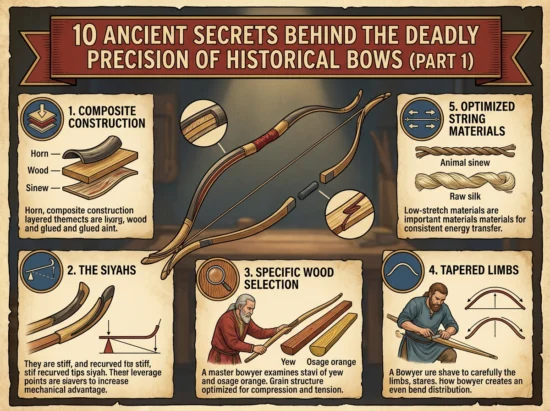
The military history of ancient India is marked by significant technological innovations and advancements in military technology. The ancient Indians developed a range of military technologies, including the chariot, the bow, and the sword. The ancient Indians also developed a range of fortifications, including walls, ramparts, and gates. The ancient Indians also developed a range of military strategies, including the use of spies, scouts, and messengers to gather intelligence and coordinate military operations.
The Role of the Army in Ancient India
The army played a crucial role in ancient India’s military history. The army was responsible for defending the kingdom against external threats, as well as for expanding the kingdom’s territories through military conquests. The army was also responsible for maintaining order and discipline within the kingdom, as well as for enforcing the kingdom’s laws and regulations. The army was also responsible for providing military support to the kingdom’s rulers, who relied on the army to maintain their power and authority.
Conclusion
The military history of ancient India is a rich and complex tapestry of conquests, battles, and territorial expansions that spanned over two millennia. From the Indus Valley Civilization to the Mughal Empire, ancient India’s military history is a testament to the country’s strategic location, its cultural and economic influence, and the resilience of its people in the face of invasion and conquest. This article has provided an overview of the major periods and events in ancient India’s military history, highlighting the key players, battles, and technologies that shaped the course of Indian history.
Frequently Asked Questions
Q: What was the significance of the Mauryan Empire in ancient India’s military history?
The Mauryan Empire was a major power in ancient India, and its significance lies in its military campaigns, which expanded its territories and established its dominance over much of the Indian subcontinent. The Mauryan Empire was also known for its cultural and intellectual achievements, with significant contributions to mathematics, astronomy, and medicine.
Q: Who was the founder of the Mughal Empire?
The founder of the Mughal Empire was Babur, a Central Asian ruler who was a descendant of the Timurid dynasty. Babur was a skilled military leader and a shrewd politician, who expanded his empire through a series of military campaigns, conquering much of the Indian subcontinent and establishing his dominance over much of the region.
Q: What was the role of the army in ancient India’s military history?
The army played a crucial role in ancient India’s military history, responsible for defending the kingdom against external threats, as well as for expanding the kingdom’s territories through military conquests. The army was also responsible for maintaining order and discipline within the kingdom, as well as for enforcing the kingdom’s laws and regulations.
Q: What were some of the significant military technologies and innovations in ancient India?
Some of the significant military technologies and innovations in ancient India included the chariot, the bow, and the sword. The ancient Indians also developed a range of fortifications, including walls, ramparts, and gates. The ancient Indians also developed a range of military strategies, including the use of spies, scouts, and messengers to gather intelligence and coordinate military operations.