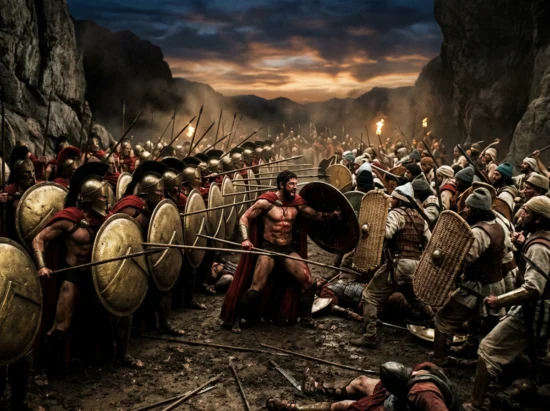
Understanding the Protective Power of Roman Armor
Roman armor has been a topic of interest for historians and enthusiasts alike for centuries. From the gladiators of the Colosseum to the legions that conquered vast territories, the armor worn by Roman soldiers played a crucial role in their success on the battlefield. In this article, we will delve into the history, design, and functionality of Roman armor, exploring how it evolved over time to become an iconic symbol of Roman power and resilience.
The Origins of Roman Armor
The earliest known examples of Roman armor date back to the 6th century BC, during the Roman Republic period. These early armors were likely borrowed from the Etruscans, a neighboring civilization known for their advanced metalworking techniques. The Romans adapted and improved upon these designs, creating their own unique style of armor that would become synonymous with their military prowess.
Initially, Roman armor was made from leather or bronze, with the wealthy elite opting for more expensive and elaborate designs. As the Roman Empire expanded, so did the need for more advanced and protective armor. The introduction of iron and steel during the 4th century BC marked a significant turning point in the development of Roman armor, allowing for the creation of lighter, yet stronger and more durable armor.
The Evolution of Roman Armor
Over time, Roman armor underwent significant changes in design, reflecting advances in technology and shifting military strategies. The early Roman armor consisted of a combination of leather, bronze, and iron components, including helmets, breastplates, and greaves. These early designs were often cumbersome and restrictive, hindering the wearer’s mobility.
As the Roman Empire expanded, so did the complexity of their armor designs. The introduction of articulated joints and articulated plates allowed for greater flexibility and mobility, enabling Roman soldiers to move more easily and respond quickly to changing situations on the battlefield. The development of the iconic Roman helmet, with its distinctive crest and curved shape, further solidified the image of the Roman soldier as a formidable and intimidating force.
The Different Types of Roman Armor
Roman armor was not a single, monolithic entity, but rather a diverse range of designs and materials, each with its own unique characteristics and purposes. Here are some of the most notable types of Roman armor:
- Helmets: The Roman helmet was a distinctive feature of their armor, often adorned with crests, plumes, and other ornaments. These helmets were designed to protect the wearer’s head and neck, while also serving as a symbol of status and rank.
- Breastplates: The breastplate, or thorax, was a key component of Roman armor, designed to protect the wearer’s torso. These plates were often made from leather or bronze, with the wealthy elite opting for more expensive and elaborate designs.
- Greaves: The greave, or shin guard, was a type of armor designed to protect the wearer’s legs. These were often made from leather or bronze, with some designs featuring articulated joints for greater flexibility.
- Shield: The Roman shield, or scutum, was a distinctive feature of their armor, often adorned with intricate designs and patterns. These shields were designed to protect the wearer’s body, while also serving as a symbol of status and rank.
The Functionality of Roman Armor
Roman armor was designed to provide protection, mobility, and intimidation on the battlefield. The different types of armor were designed to work in conjunction with one another, creating a cohesive and effective system. Here are some of the key features of Roman armor:
- Protection: Roman armor was designed to protect the wearer from a range of injuries, including slashes, thrusts, and blunt trauma. The different types of armor were designed to provide comprehensive protection, covering the wearer’s head, torso, and limbs.
- Mobility: Roman armor was designed to allow for greater mobility on the battlefield, enabling Roman soldiers to move quickly and easily. The introduction of articulated joints and articulated plates allowed for greater flexibility and movement.
- Intimidation: Roman armor was designed to intimidate their enemies, creating a sense of awe and fear. The distinctive designs and patterns on Roman armor served as a symbol of Roman power and resilience.
The Legacy of Roman Armor
Roman armor has left an indelible mark on history, serving as a symbol of Roman power and resilience. The different types of armor, from the helmet to the breastplate, have been immortalized in art, literature, and popular culture. Here are some of the key ways in which Roman armor continues to influence us today:
- Art and Literature: Roman armor has been depicted in countless works of art and literature, serving as a symbol of power, strength, and resilience.
- Historical Reenactments: Many historical reenactments and festivals feature Roman armor, allowing enthusiasts to experience the sights and sounds of ancient Rome.
- Modern Military: The design and functionality of Roman armor continue to influence modern military design, with many modern armor systems drawing inspiration from the ancient Romans.
FAQs
Q: What was the primary purpose of Roman armor?
A: The primary purpose of Roman armor was to provide protection, mobility, and intimidation on the battlefield. Roman armor was designed to allow Roman soldiers to move quickly and easily, while also serving as a symbol of Roman power and resilience.
Q: What were the different types of Roman armor?
A: Roman armor consisted of a range of different components, including helmets, breastplates, greaves, and shields. Each of these components was designed to provide comprehensive protection, while also serving as a symbol of status and rank.
Q: How did Roman armor evolve over time?
A: Roman armor underwent significant changes in design, reflecting advances in technology and shifting military strategies. The introduction of iron and steel during the 4th century BC marked a significant turning point in the development of Roman armor, allowing for the creation of lighter, yet stronger and more durable armor.
Q: What is the significance of the Roman helmet?
A: The Roman helmet was a distinctive feature of their armor, often adorned with crests, plumes, and other ornaments. These helmets were designed to protect the wearer’s head and neck, while also serving as a symbol of status and rank.
Q: How did Roman armor influence modern military design?
A: The design and functionality of Roman armor continue to influence modern military design, with many modern armor systems drawing inspiration from the ancient Romans. The emphasis on mobility, protection, and intimidation remains a key feature of modern armor design.
Conclusion
Roman armor has left an indelible mark on history, serving as a symbol of Roman power and resilience. The different types of armor, from the helmet to the breastplate, have been immortalized in art, literature, and popular culture. By understanding the origins, evolution, and functionality of Roman armor, we can gain a deeper appreciation for the ingenuity and creativity of the ancient Romans, and the enduring legacy of their armor designs.