Life in World War I Trenches: A Descent into Madness
The trenches of World War I were a living nightmare, a testament to humanity’s capacity for destruction and chaos. From the muddy, blood-soaked battlefields of Flanders to the sun-scorched deserts of Palestine, the trenches were a constant reminder of the war’s unrelenting fury. In this article, we’ll delve into the harsh realities of life in the trenches, exploring the conditions, the soldiers’ experiences, and the psychological toll of war.
The Trenches: A Labyrinth of Mud and Blood
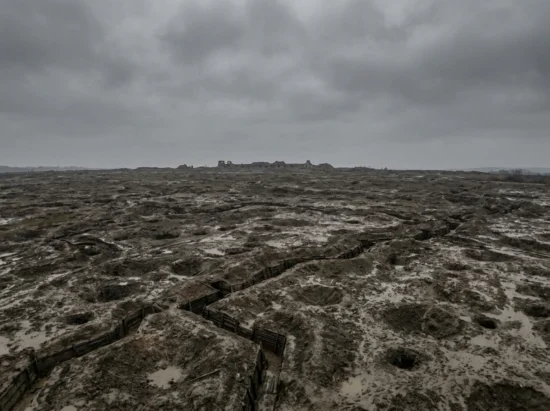
Imagine a network of narrow, winding tunnels, stretching as far as the eye could see. The trenches were a labyrinth of mud, blood, and despair, with soldiers living in cramped, fetid conditions. The air was thick with the stench of rotting flesh, the acrid smell of explosives, and the ever-present threat of disease. Rats, fleas, and lice infested the trenches, spreading disease and misery among the soldiers.
The trenches were often knee-deep in water, with mud oozing through the walls like a living, breathing entity. Soldiers had to navigate this treacherous landscape, avoiding barbed wire, shell craters, and the ever-present danger of enemy fire. The mud was a constant companion, seeping into the soldiers’ boots, clothes, and souls.
The Conditions: Mud, Blood, and Despair
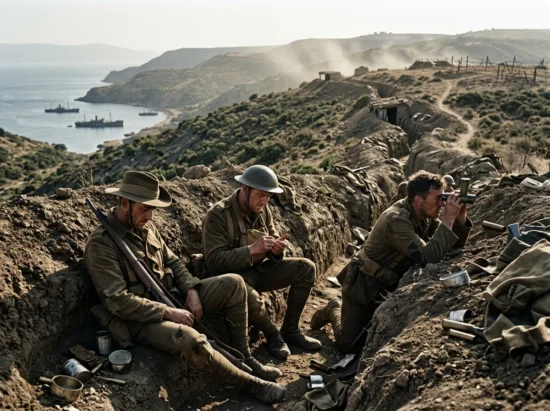
Life in the trenches was a constant struggle for survival. Soldiers were exposed to the elements, with temperatures plummeting to -10°C (14°F) in the winter and soaring to 40°C (104°F) in the summer. Rain, snow, and heat all took their toll, with soldiers often going without proper clothing, shelter, or sanitation.
Water was scarce, and soldiers often drank from contaminated sources, leading to outbreaks of dysentery, cholera, and typhoid. The trenches were a breeding ground for disease, with lice, fleas, and rats spreading misery among the soldiers.
The conditions in the trenches were a product of the war’s industrialization and the belligerents’ desire to maintain a constant flow of troops. Soldiers were rotated through the trenches in a never-ending cycle, with new recruits thrown into the fray, unprepared and unwary.
The Soldiers: Their Experiences and the Psychological Toll
The soldiers who lived in the trenches were a mix of volunteers and conscripts, each with their own story to tell. Some were seasoned veterans, while others were raw recruits, thrust into the fray with little training or preparation. The trenches were a testing ground for humanity, where soldiers were pushed to their limits and beyond.
Many soldiers experienced the “trench foot” – a condition caused by prolonged exposure to wet conditions, leading to blisters, sores, and gangrene. Others suffered from shell shock, a precursor to what we now know as post-traumatic stress disorder (PTSD).
Shell shock was a constant companion in the trenches, with soldiers often experiencing hallucinations, nightmares, and a general sense of unease. The psychological toll of war was a silent killer, claiming its victims long after the fighting had stopped.
The Enemy: A Constant Presence</hassistant
The Enemy: A Constant Presence
The enemy was always present, a constant threat that hung over the soldiers like a specter. Machine guns, artillery, and snipers were ever-ready to unleash their fury, cutting down soldiers with precision and deadliness. The enemy was a force to be reckoned with, a relentless and merciless foe that left no quarter.
Soldiers lived in a state of perpetual anxiety, always waiting for the next shell to explode, the next bullet to whizz by, or the next hand grenade to be tossed into their midst. The enemy was a constant presence, a reminder of the war’s unrelenting fury and the soldiers’ mortality.
The trenches were a killing ground, where soldiers were forced to live in close proximity to the enemy. No Man’s Land, the area between the opposing trenches, was a no-go zone, a place of death and destruction. Soldiers were often forced to venture into No Man’s Land, where they were exposed to the enemy’s fire and had to rely on their wits and cunning to survive.
The Soldiers’ Experiences: Stories of Bravery and Despair
Soldiers’ experiences in the trenches were a testament to their bravery and resilience. Many soldiers showed incredible courage in the face of overwhelming odds, refusing to yield even in the face of unimaginable horror. Others succumbed to the pressure, breaking under the weight of the war’s unrelenting fury.
Some soldiers became celebrated heroes, their stories of bravery and sacrifice inspiring generations to come. Others were forgotten, their experiences reduced to a mere footnote in the annals of history.
The soldiers’ experiences in the trenches were a microcosm of the war itself – a conflict that was as much about humanity as it was about politics and ideology. The trenches were a crucible, where soldiers were tested and tempered, emerging as changed individuals, forever scarred by their experiences.
The Aftermath: A Legacy of Trauma and Loss
The war’s aftermath was a legacy of trauma and loss, a reminder of the devastating consequences of war. The soldiers who emerged from the trenches were forever changed, carrying the scars of their experiences with them for the rest of their lives.
The war had a profound impact on the soldiers, their families, and their communities. Many soldiers struggled to adjust to civilian life, haunted by the memories of the trenches and the friends they had lost. Others were left with physical and emotional scars, a reminder of the war’s unrelenting fury.
The legacy of the war was a complex mix of trauma, loss, and sacrifice. The soldiers who fought in the trenches were a testament to humanity’s capacity for bravery and resilience, even in the face of unimaginable horror.
Practical FAQ
Q: What were the living conditions like in the trenches?
A: The living conditions in the trenches were harsh and unsanitary, with soldiers often living in cramped, fetid conditions. The air was thick with the stench of rotting flesh, and the threat of disease was ever-present.
Q: What was the average life expectancy for a soldier in the trenches?
A: The average life expectancy for a soldier in the trenches was around 20-30 days, depending on the location and the circumstances. Many soldiers died from disease, shell shock, or enemy fire.
Q: How did soldiers cope with the psychological toll of war?
A: Soldiers often coped with the psychological toll of war by developing coping mechanisms, such as humor, camaraderie, and a focus on the present moment. Others turned to religion, seeking solace in their faith and the promise of a better life after the war.
Q: What was the impact of the war on soldiers and their families?
A: The war had a profound impact on soldiers and their families, leaving many with physical and emotional scars. The soldiers who emerged from the trenches were forever changed, carrying the memories of the war with them for the rest of their lives.
Q: How did the war shape the soldiers’ views on life and death?
A: The war shaped the soldiers’ views on life and death, forcing them to confront the reality of their own mortality and the devastating consequences of war. Many soldiers emerged from the trenches with a newfound appreciation for life and a deeper understanding of the human cost of conflict.