Trench Warfare Explained
A Comprehensive Overview of the Trench System
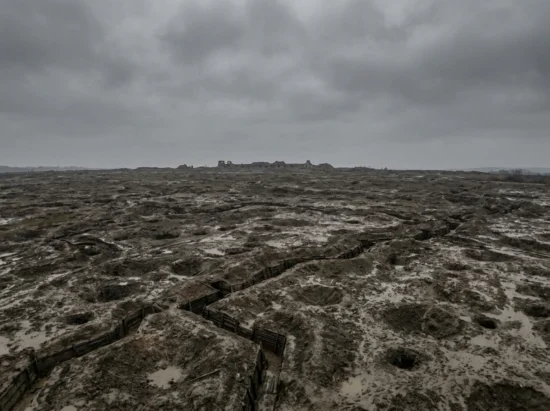
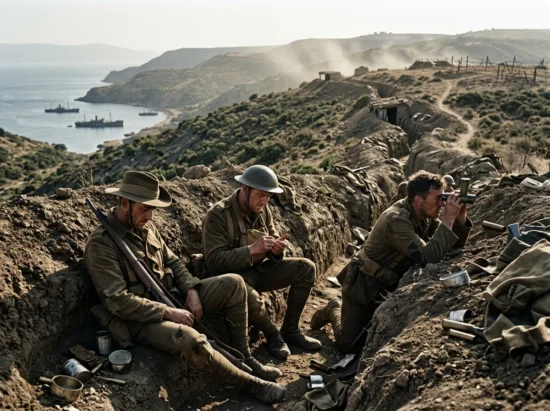
Trench warfare, a term that evokes images of muddy trenches, machine gun fire, and the horrors of World War I, is a military tactic that has been employed in various forms throughout history. From ancient civilizations to modern-day conflicts, the concept of digging in and preparing to defend a position has been a staple of warfare. In this article, we will delve into the history of trench warfare, its key components, and the impact it had on the course of modern warfare.
A Brief History of Trench Warfare
The use of trenches dates back to ancient times, with examples found in the history of the Assyrians, who used them to besiege cities, and the Greeks, who employed them in their battles. However, it was during World War I that trench warfare became a defining feature of modern warfare. The introduction of new technologies such as machine guns, artillery, and barbed wire led to the development of complex trench systems, which became the hallmark of the Western Front.
The Components of Trench Warfare
A well-designed trench system consists of several key components:
- Front Line Trenches: These are the trenches located at the front of the defensive position, closest to the enemy lines. They are typically the most heavily fortified and are where the majority of the troops are stationed.
- Support Trenches: Located behind the front line trenches, these are the trenches that provide support and reinforcement to the front line troops. They are often used as a reserve position and are where troops are stationed in case of a breakthrough.
- Communication Trenches: These are the trenches that connect the front line and support trenches, allowing for communication between the two. They are often used for sending messages, transferring troops, and delivering supplies.
- Abatis and Obstacles: These are the barriers and obstacles placed in front of the trenches to prevent enemy troops from advancing. They can include barbed wire, tripwires, and other forms of entanglements.
- Redoubts and Strongpoints: These are the fortified positions located within the trench system, often used as a last line of defense. They are designed to be strong and secure, with thick walls and multiple layers of defense.
The Impact of Trench Warfare
Trench warfare had a profound impact on the course of modern warfare. It led to the development of new technologies and tactics, such as the use of tanks, gas warfare, and artillery. The trench system also led to the creation of new military units and organizations, such as the Royal Engineers, who were responsible for constructing and maintaining the trenches.
The Psychological Toll of Trench Warfare
The conditions in the trenches were brutal, with troops facing constant bombardment, mud, and disease. The trenches became a breeding ground for diseases such as trench foot, dysentery, and gas gangrene. The psychological toll of trench warfare was immense, with many troops suffering from shell shock, a condition that would later become known as post-traumatic stress disorder (PTSD).
The Legacy of Trench Warfare
Trench warfare may seem like a relic of the past, but its legacy can still be seen in modern-day conflicts. The use of trenches and fortified positions continues to this day, with examples found in the Israeli-Palestinian conflict and the war in Afghanistan. The development of new technologies and tactics has made trench warfare less relevant, but its impact on the course of modern warfare cannot be overstated.
Practical Applications of Trench Warfare
While trench warfare may seem like a relic of the past, its principles can still be applied in modern-day conflicts. Here are a few practical applications:
Q: What are the key components of a trench system?
A: The key components of a trench system include front line trenches, support trenches, communication trenches, abatis and obstacles, and redoubts and strongpoints.
Q: How did trench warfare impact the course of modern warfare?
A: Trench warfare led to the development of new technologies and tactics, such as the use of tanks, gas warfare, and artillery. It also led to the creation of new military units and organizations, such as the Royal Engineers.
Q: What were some of the psychological effects of trench warfare on soldiers?
A: The conditions in the trenches were brutal, with troops facing constant bombardment, mud, and disease. Many soldiers suffered from shell shock, a condition that would later become known as post-traumatic stress disorder (PTSD).
Q: Can trench warfare be applied in modern-day conflicts?
A: While trench warfare may seem like a relic of the past, its principles can still be applied in modern-day conflicts. The use of trenches and fortified positions continues to this day, with examples found in the Israeli-Palestinian conflict and the war in Afghanistan.
Q: What were some of the practical applications of trench warfare?
A: The development of new technologies and tactics has made trench warfare less relevant, but its impact on the course of modern warfare cannot be overstated. Some practical applications of trench warfare include the use of trenches and fortified positions in modern-day conflicts, the development of new technologies and tactics, and the creation of new military units and organizations.
Conclusion
Trench warfare, a term that evokes images of muddy trenches, machine gun fire, and the horrors of World War I, is a military tactic that has been employed in various forms throughout history. From ancient civilizations to modern-day conflicts, the concept of digging in and preparing to defend a position has been a staple of warfare. The impact of trench warfare on the course of modern warfare cannot be overstated, and its legacy continues to shape modern military tactics and strategies.