World War I Weapons and Technology: A Comprehensive Overview
The Early Years of Trench Warfare
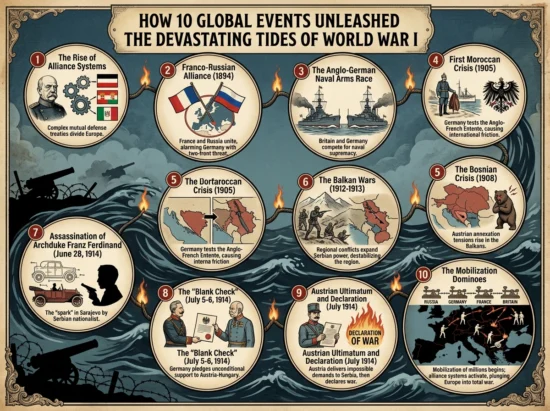
The outbreak of World War I in 1914 marked the beginning of a new era in warfare. The conflict saw the widespread use of machine guns, artillery, and trench warfare, which would become the hallmark of modern warfare. The early years of the war were characterized by the use of traditional military tactics, with both the Allies and the Central Powers employing traditional military strategies. However, the stalemate on the Western Front led to the introduction of new technologies and tactics that would shape the course of the war.
Machine Guns and Trench Warfare
Machine guns, such as the German MG 08 and the British Vickers, became a crucial component in the trenches. These guns were capable of firing hundreds of rounds per minute, making them a game-changer in modern warfare. The introduction of machine guns led to the development of trench warfare, where both sides dug in and employed barbed wire, trenches, and other obstacles to protect themselves from the enemy’s machine guns.
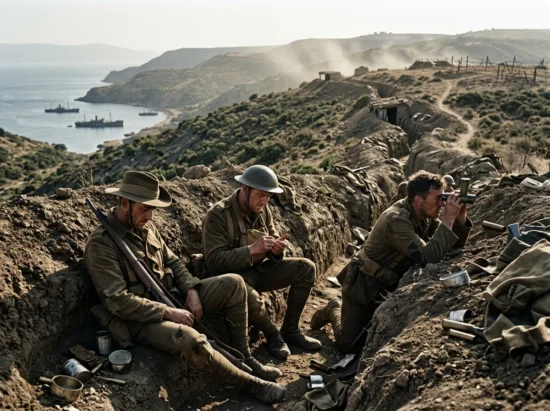
The trenches became a symbol of the war, with soldiers living in cramped, dirty conditions, and the constant threat of machine gun fire and artillery attacks. The use of machine guns and trench warfare led to a significant increase in casualties, with both sides suffering heavy losses.
Artillery and Gas Warfare
Artillery played a crucial role in World War I, with both sides employing massive guns to pound enemy positions. The introduction of new technologies, such as the howitzer and the gun, allowed for more accurate and efficient firing, leading to significant advances in artillery tactics.
Gas warfare was another significant development in World War I. The first gas attack occurred on April 22, 1915, when the Germans released chlorine gas at Ypres, causing over 6,000 Allied casualties. The Allies responded with their own gas attacks, employing mustard gas, phosgene, and carbonyl chloride gas.
The use of gas warfare led to a significant increase in casualties, with both sides suffering heavy losses. The introduction of gas masks and other protective gear helped to mitigate the effects of gas attacks, but the psychological impact of gas warfare was significant, with soldiers often fearing the use of gas more than any other weapon.
Submarines and U-Boats
Submarines, or U-Boats, played a significant role in World War I, with the Germans employing them to attack Allied shipping. The U-Boats were capable of sinking entire convoys, leading to a significant increase in Allied casualties.
The Allies responded by employing convoy systems, which helped to mitigate the effects of U-Boat attacks. However, the use of U-Boats led to a significant increase in casualties, with both sides suffering heavy losses.
Aviation and Airpower
Aviation played a significant role in World War I, with both sides employing aircraft for reconnaissance, bombing, and dogfighting. The introduction of new technologies, such as the Spad and the Fokker, allowed for more efficient and effective airpower.
The use of airpower led to a significant increase in casualties, with both sides suffering heavy losses. The introduction of new technologies, such as flamethrowers and poison gas, further increased the lethality of airpower.
Conclusion
World War I saw the widespread use of new technologies and tactics, which would shape the course of modern warfare. The introduction of machine guns, artillery, gas warfare, and airpower led to a significant increase in casualties, with both sides suffering heavy losses.
FAQs
Q: What was the most significant technological innovation of World War I?
A: The introduction of machine guns and artillery was the most significant technological innovation of World War I, as it led to a significant increase in casualties and changed the nature of warfare.
Q: How did the Allies respond to the introduction of U-Boats?
A: The Allies responded by employing convoy systems, which helped to mitigate the effects of U-Boat attacks. The use of convoy systems led to a significant decrease in U-Boat attacks and casualties.
Q: What was the impact of gas warfare on the soldiers?
A: The use of gas warfare had a significant psychological impact on soldiers, who often feared the use of gas more than any other weapon. The introduction of gas masks and other protective gear helped to mitigate the effects of gas attacks.
Q: How did the introduction of airpower affect the course of the war?
A: The introduction of airpower led to a significant increase in casualties, with both sides suffering heavy losses. The use of airpower also led to the development of new technologies, such as flamethrowers and poison gas, which further increased the lethality of airpower.
Q: What was the significance of the introduction of machine guns in World War I?
A: The introduction of machine guns led to a significant increase in casualties, with both sides suffering heavy losses. The use of machine guns also led to the development of trench warfare, where both sides dug in and employed barbed wire, trenches, and other obstacles to protect themselves from the enemy’s machine guns.