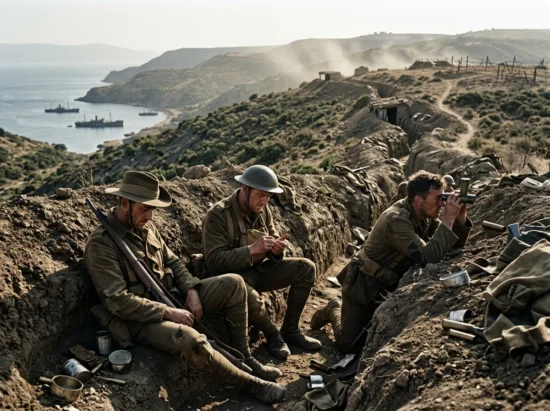
Life of Soldiers on the Western Front
The Reality of War
The life of soldiers on the Western Front during World War I was one of hardship, sacrifice, and uncertainty. The war, which lasted from 1914 to 1918, saw millions of men and women serving on the front lines, fighting for their countries and their lives. The soldiers who served on the Western Front were the backbone of the war effort, and their experiences are a testament to the bravery and resilience of those who fought.
Conditions on the Front Lines
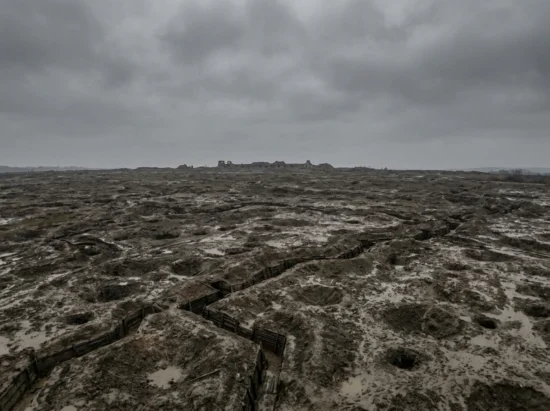
The conditions on the front lines were brutal and unforgiving. Soldiers were exposed to the elements, with temperatures ranging from -20°C to 30°C (-4°F to 86°F), depending on the season. The trenches, which were often knee-deep in mud and water, provided little protection from the elements, and the soldiers’ living quarters were cramped and unsanitary. The constant sound of artillery fire, the smell of death and decay, and the ever-present threat of death and injury made life on the front lines a nightmarish experience.
Daily Life in the Trenches
- Soldiers spent most of their time in the trenches, which were often 10-15 meters (30-50 feet) deep and 10-20 meters (30-60 feet) long. The trenches were dug by the soldiers themselves, using shovels and pickaxes.
- Life in the trenches was marked by routine and monotony. Soldiers would spend their days patrolling the front lines, repairing trenches, and engaging in skirmishes with the enemy.
- Despite the harsh conditions, soldiers found ways to occupy themselves in their downtime. They would often play cards, write letters, or read books to pass the time.
- Mealtimes were a highlight of the day, with soldiers gathering to share what little food they had.
Medical Care and Injuries
Medical care on the front lines was primitive and often ineffective. Soldiers who were wounded were often left to die, as the medical system was overwhelmed by the sheer number of casualties. Those who were lucky enough to receive treatment were often subjected to inadequate care, with many soldiers dying from their injuries due to a lack of proper medical attention.
The most common injuries were shell shock, which was a psychological condition caused by the constant bombardment of artillery fire, and physical injuries, such as shrapnel wounds, which were often fatal.
The Role of Women on the Front Lines
Women played a crucial role on the front lines, serving as nurses, ambulance drivers, and cooks. They worked tirelessly behind the scenes, providing essential support to the soldiers and keeping them going in the face of adversity.
The Impact of the War on Civilians
The war had a devastating impact on civilians, with entire communities being destroyed and millions of people displaced. The war also had a profound impact on the social and economic fabric of society, with the loss of life and the destruction of infrastructure leading to a deep sense of trauma and loss.
Conclusion
The life of soldiers on the Western Front during World War I was a brutal and unforgiving experience. The conditions on the front lines were harsh, and the soldiers were subjected to extreme physical and psychological trauma. Despite the hardships, the soldiers showed remarkable resilience and bravery, and their experiences are a testament to the human spirit.
FAQ
Q: What was the average lifespan of a soldier on the Western Front?
A: The average lifespan of a soldier on the Western Front was around 6-8 weeks, although this varied greatly depending on the position and the individual.
Q: How many soldiers were lost during the war?
A: It’s estimated that over 11 million soldiers were lost during the war, with over 6 million of them dying from their injuries.
Q: What was the most common injury sustained by soldiers on the Western Front?
A: The most common injury sustained by soldiers on the Western Front was shell shock, which was a psychological condition caused by the constant bombardment of artillery fire.
Q: How did civilians cope with the trauma of the war?
A: Civilians coped with the trauma of the war by finding ways to occupy themselves, such as through community activities, charitable work, and personal relationships. However, the war had a profound impact on the social and economic fabric of society, leading to a deep sense of trauma and loss.