Table of Contents
Unveiling the Secrets of Chinese Ancient Warfare
For centuries, the art of warfare has fascinated people around the world, with its intricacies and complexities captivating the imagination of strategists, historians, and enthusiasts alike. Among the many civilizations that have shaped the course of human history, the ancient Chinese stand out for their remarkable achievements in military strategy, tactics, and technology. This article delves into the realm of Chinese ancient warfare, exploring the key concepts, techniques, and innovations that enabled the Chinese to maintain a position of military superiority for centuries.
The Evolution of Chinese Warfare
The earliest recorded Chinese military campaigns date back to the Zhou Dynasty (1046-256 BCE), when the Chinese began to develop a sophisticated system of warfare that would shape the course of their history. The Chinese military was initially organized into feudal armies, with local lords and their retainers forming the core of the fighting force. However, as the Chinese state expanded and became more centralized, the military underwent significant changes, with the introduction of new technologies, tactics, and organizational structures.
Early Chinese Warfare (1046 BCE – 221 BCE)
In the early days of Chinese warfare, the emphasis was on cavalry and infantry, with the Chinese employing a variety of tactics, including ambushes, sieges, and pitched battles. The Chinese also developed a sophisticated system of logistics, with the use of supply depots, messengers, and scouts to support their military campaigns. As the Chinese state expanded, the need for a more centralized and efficient military machine became apparent, leading to the introduction of new technologies and organizational structures.
The Warring States Period (475 BCE – 221 BCE)
The Warring States period saw the rise of powerful regional states, including Qin, Chu, and Han, which vied for control of the Chinese heartland. This period was marked by the introduction of new technologies, such as the crossbow, and the development of more complex military tactics, including the use of spies, scouts, and guerrilla warfare. The Warring States period also saw the emergence of the first great Chinese strategist, Sun Tzu, whose classic work, “The Art of War,” would go on to shape the course of Chinese military thought for centuries to come.
The Golden Age of Chinese Warfare (221 BCE – 581 CE)
The Han Dynasty (206 BCE – 220 CE) marked the beginning of the golden age of Chinese warfare. During this period, the Chinese military underwent significant changes, with the introduction of new technologies, tactics, and organizational structures. The Chinese also developed a sophisticated system of logistics, with the use of supply depots, messengers, and scouts to support their military campaigns. The Han Dynasty saw the emergence of some of the greatest Chinese strategists, including Cao Cao and Zhuge Liang, whose military campaigns and writings would shape the course of Chinese history.
The Three Kingdoms Period (220-280 CE)
The Three Kingdoms period saw the rise of three powerful kingdoms, Shu, Wu, and Wei, which vied for control of the Chinese heartland. This period was marked by the introduction of new technologies, such as the crossbow, and the development of more complex military tactics, including the use of spies, scouts, and guerrilla warfare. The Three Kingdoms period also saw the emergence of some of the greatest Chinese strategists, including Zhuge Liang and Sun Quan, whose military campaigns and writings would shape the course of Chinese history.
The Fall of the Chinese Empire (581-1644 CE)
The fall of the Chinese empire marked the end of the golden age of Chinese warfare. During this period, the Chinese military underwent significant changes, with the introduction of new technologies, tactics, and organizational structures. The Chinese also developed a sophisticated system of logistics, with the use of supply depots, messengers, and scouts to support their military campaigns. However, the fall of the Chinese empire also saw the decline of the Chinese military, with the introduction of foreign technologies and tactics that would shape the course of Chinese history.
The Ming Dynasty (1368-1644 CE)
The Ming Dynasty saw the emergence of a new Chinese military machine, with the introduction of new technologies, tactics, and organizational structures. The Chinese also developed a sophisticated system of logistics, with the use of supply depots, messengers, and scouts to support their military campaigns. However, the Ming Dynasty also saw the decline of the Chinese military, with the introduction of foreign technologies and tactics that would shape the course of Chinese history.
Key Concepts and Techniques of Chinese Ancient Warfare
Tactics and Strategies
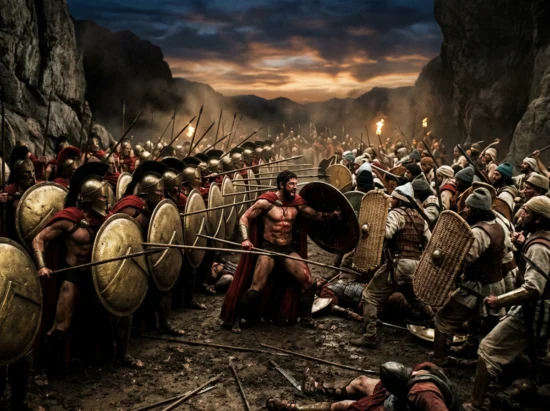
The Chinese developed a sophisticated system of tactics and strategies, including the use of spies, scouts, and guerrilla warfare. The Chinese also developed a range of military formations, including the “phalanx” and the “shield wall,” which were used to great effect on the battlefield. The Chinese also developed a sophisticated system of logistics, with the use of supply depots, messengers, and scouts to support their military campaigns.
Technologies and Innovations
The Chinese developed a range of new technologies and innovations, including the crossbow, the catapult, and the gunpowder. The Chinese also developed a sophisticated system of logistics, with the use of supply depots, messengers, and scouts to support their military campaigns. The Chinese also developed a range of new materials, including silk, paper, and iron, which were used to great effect in the development of new technologies and innovations.
Conclusion
Chinese ancient warfare was a complex and multifaceted phenomenon, with a rich history and a sophisticated system of tactics, technologies, and organizational structures. The Chinese developed a range of new technologies and innovations, including the crossbow, the catapult, and the gunpowder, which were used to great effect on the battlefield. The Chinese also developed a sophisticated system of logistics, with the use of supply depots, messengers, and scouts to support their military campaigns. As we reflect on the achievements of Chinese ancient warfare, we are reminded of the enduring power of human ingenuity and creativity in shaping the course of history.
FAQ
Q: What was the significance of the crossbow in Chinese ancient warfare?
A: The crossbow was a significant innovation in Chinese ancient warfare, as it allowed the Chinese to develop a range of new military tactics and strategies, including the use of ambushes, sieges, and pitched battles. The crossbow was also used to great effect in the development of new technologies and innovations, including the catapult and the gunpowder.
Q: Who was Sun Tzu, and what was the significance of his work, “The Art of War”?
A: Sun Tzu was a great Chinese strategist who lived during the Warring States period. His work, “The Art of War,” was a comprehensive guide to military strategy and tactics, which was used to great effect by the Chinese military for centuries. “The Art of War” remains one of the greatest works on military strategy and tactics, and its influence can still be seen in modern military thought and practice.
Q: What was the significance of the Three Kingdoms period in Chinese ancient warfare?
A: The Three Kingdoms period was a significant turning point in Chinese ancient warfare, as it saw the rise of three powerful kingdoms, Shu, Wu, and Wei, which vied for control of the Chinese heartland. This period was marked by the introduction of new technologies, such as the crossbow, and the development of more complex military tactics, including the use of spies, scouts, and guerrilla warfare.
Q: What was the significance of the gunpowder in Chinese ancient warfare?
A: The gunpowder was a significant innovation in Chinese ancient warfare, as it allowed the Chinese to develop a range of new military tactics and strategies, including the use of artillery and infantry. The gunpowder was also used to great effect in the development of new technologies and innovations, including the rocket and the missile.