The Rise of the Roman Empire
A Legacy of Power and Prosperity
The Roman Empire, one of the most enduring and influential civilizations in human history, rose to power over a period of centuries, leaving an indelible mark on the world. From its humble beginnings as a small city-state in central Italy to its eventual dominance of the Mediterranean world, the Roman Empire’s trajectory was shaped by a combination of factors, including its strategic location, innovative governance, and military prowess.
Early Rome (753 BCE – 509 BCE)
The city of Rome was founded in 753 BCE by Romulus and Remus, two legendary brothers who, according to myth, were abandoned by their mother and suckled by a she-wolf. The early Roman state was a monarchy, with the first king, Romulus, reigning until his death. During this period, Rome’s population grew, and the city expanded its territories through a series of military campaigns.
The Roman Republic (509 BCE – 27 BCE)
With the expulsion of the last king, Lucius Tarquinius Superbus, in 509 BCE, Rome transitioned into a republic, governed by a system of elected representatives and a complex network of laws. The Roman Republic was marked by a series of power struggles between patrician and plebeian factions, as well as a series of external threats from neighboring tribes and cities.
The Punic Wars (264 BCE – 146 BCE)
The Punic Wars, a series of conflicts fought between Rome and the Carthaginian Empire, marked a turning point in Roman history. The First Punic War (264-241 BCE) saw Rome emerge victorious, but the Second Punic War (218-201 BCE) was a closely contested conflict, with Hannibal’s invasion of Italy pushing the Roman legions to the brink of defeat. The Third Punic War (149-146 BCE) saw Rome‘s decisive victory, with the destruction of Carthage and the eventual absorption of its territories.
Conquest and Expansion (146 BCE – 14 CE)
Rome’s expansionist policies, under the leadership of figures such as Julius Caesar and Augustus, saw the empire grow to encompass a vast territory, stretching from the Atlantic coast of Spain to the Euphrates River in modern-day Turkey. The conquest of Greece, the Mediterranean islands, and much of Asia Minor further solidified Rome’s position as the dominant power in the ancient world.
The Pax Romana (27 BCE – 180 CE)
The Pax Romana, or “Roman Peace,” was a period of relative stability and prosperity, marked by a significant decline in conflict and an increase in trade and cultural exchange. This era saw the rise of Roman literature, architecture, and engineering, as well as the spread of Roman law and governance throughout the empire.
The Decline of the Roman Empire (180 CE – 476 CE)
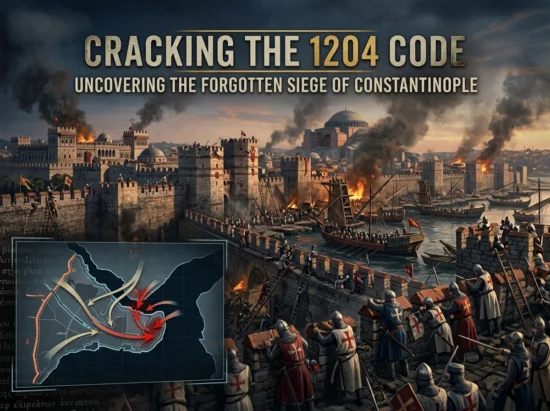
The decline of the Roman Empire was a gradual process, marked by a series of internal conflicts, external pressures, and economic troubles. The empire’s infrastructure, once a testament to Roman engineering prowess, began to decay, and the once-mighty legions were stretched to the breaking point. The eventual collapse of the Western Roman Empire in 476 CE marked the end of an era, but the Eastern Roman Empire, or Byzantine Empire, continued to thrive until its eventual fall in 1453 CE.
Conclusion
The rise of the Roman Empire was a complex and multifaceted process, shaped by a combination of factors, including its strategic location, innovative governance, and military prowess. From its humble beginnings as a small city-state in central Italy to its eventual dominance of the Mediterranean world, the Roman Empire left an indelible mark on the world. Its legacy can be seen in the architecture, literature, and governance of modern-day societies, and its influence continues to shape our understanding of politics, law, and culture.
FAQ
Q: What was the significance of the Punic Wars in Roman history?
The Punic Wars were a series of conflicts fought between Rome and the Carthaginian Empire, marking a turning point in Roman history. The wars saw Rome emerge victorious, with the destruction of Carthage and the eventual absorption of its territories.
Q: Who were the key figures in the rise of the Roman Empire?
Figures such as Julius Caesar and Augustus played crucial roles in the expansion and consolidation of the Roman Empire. Caesar’s military campaigns and Augustus’s governance helped to establish Rome as the dominant power in the ancient world.
Q: What were the key factors that contributed to the decline of the Roman Empire?
The decline of the Roman Empire was a gradual process, marked by a series of internal conflicts, external pressures, and economic troubles. The empire’s infrastructure decayed, and the once-mighty legions were stretched to the breaking point.
Q: What was the impact of the Roman Empire on modern-day society?
The Roman Empire’s legacy can be seen in the architecture, literature, and governance of modern-day societies. Its influence continues to shape our understanding of politics, law, and culture.
Q: What was the significance of the Pax Romana in Roman history?
The Pax Romana, or “Roman Peace,” was a period of relative stability and prosperity, marked by a significant decline in conflict and an increase in trade and cultural exchange. This era saw the rise of Roman literature, architecture, and engineering, as well as the spread of Roman law and governance throughout the empire.