Building an Empire: The Rise of Alexander the Great
The ancient world was shaped by a multitude of powerful leaders, but few had the impact on history as Alexander the Great. Born in 356 BCE, in Pella, Macedonia, Alexander III, commonly known as Alexander the Great, would go on to create one of the largest empires the world had ever seen. His military campaigns, strategic conquests, and vision for a unified world under Greek rule left an indelible mark on the course of human history.
Early Life and Education
Alexander’s life began under the tutelage of his father, King Philip II of Macedon, and his tutor, Aristotle. As a young prince, Alexander received an exceptional education, studying philosophy, literature, and the arts. His intellectual curiosity and ambition were nurtured by his father, who recognized his son’s potential and encouraged him to excel. Alexander’s exposure to the great minds of his time, including Aristotle, would later shape his worldview and inspire his ambition to spread Greek culture and knowledge across the known world.
The Accession to the Throne
Following the assassination of his father in 336 BCE, Alexander ascended to the throne at the age of 20. He faced a multitude of challenges, including securing the loyalty of his father’s generals, who had grown wary of his youth and inexperience. Alexander’s natural leadership skills, charisma, and strategic thinking quickly won over the support of his father’s veterans and paved the way for his future conquests.
The Conquests of Alexander
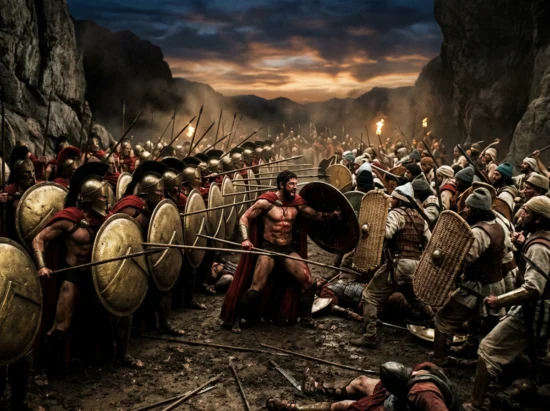
Alexander’s military campaigns took him from Greece to Egypt, Babylon, and as far as India. His armies swept across the ancient world, leaving a trail of defeated foes and conquered territories in their wake. The key to Alexander’s success lay in his ability to adapt to diverse cultures, forge alliances with local leaders, and exploit the weaknesses of his enemies. His military tactics, including the use of phalanx formations and swift cavalry charges, proved decisive in numerous battles.
The Spread of Greek Culture and Knowledge
Alexander’s vision for a unified world under Greek rule was not merely a military conquest, but a cultural one as well. He sought to spread Greek language, customs, and philosophy throughout the territories he conquered. This vision found expression in the establishment of cities, the promotion of Greek arts and architecture, and the dissemination of Greek literature and ideas. Alexander’s legacy extended far beyond his military campaigns, as he sowed the seeds of a Hellenistic world that would shape the course of Western civilization.
The Empire’s Structure and Administration
Alexander’s empire was a complex administrative entity, comprising a multitude of territories, each with its own unique cultural and linguistic heritage. He established a system of satrapies, or provinces, governed by appointed officials who were responsible for collecting taxes, maintaining order, and upholding Alexander’s laws and decrees. This system allowed Alexander to maintain a degree of control over his vast territories, even as he expanded his empire further.
The Succession Crisis and the Division of the Empire
Following Alexander’s death in 323 BCE, his vast empire was plunged into a succession crisis. Alexander’s closest companions and generals vied for power, leading to a period of instability and fragmentation. The division of the empire into smaller kingdoms, often under the rule of Alexander’s successors, marked the beginning of the Hellenistic period, which would see the rise and fall of numerous city-states and kingdoms.
The Lasting Legacy of Alexander the Great
Alexander’s impact on history is a testament to his vision, strategic thinking, and leadership skills. His empire may have been short-lived, but its legacy has endured, shaping the course of Western civilization and inspiring countless leaders and conquerors throughout the ages. The spread of Greek culture, language, and ideas has had a lasting impact on the world, from the arts and sciences to philosophy and politics.
FAQs
Q: What was Alexander’s relationship with his father, King Philip II of Macedon?
Alexander’s relationship with his father was complex, with Philip II recognizing Alexander’s potential and encouraging his intellectual and military development. Alexander’s ambition and leadership skills were nurtured by his father, who instilled in him a sense of duty and responsibility.
Q: What were the key factors behind Alexander’s military successes?
Alexander’s military campaigns were characterized by his adaptability, strategic thinking, and the use of innovative tactics, including the phalanx formation and swift cavalry charges. He was also able to forge alliances with local leaders and exploit the weaknesses of his enemies, ultimately leading to his numerous conquests.
Q: What was the significance of Alexander’s vision for a unified world under Greek rule?
Alexander’s vision for a unified world under Greek rule was not merely a military conquest, but a cultural one as well. He sought to spread Greek language, customs, and philosophy throughout the territories he conquered, establishing cities, promoting Greek arts and architecture, and disseminating Greek literature and ideas.
Q: How did Alexander’s empire contribute to the spread of Greek culture and knowledge?
Alexander’s empire facilitated the spread of Greek culture, language, and ideas throughout the ancient world. The establishment of cities, the promotion of Greek arts and architecture, and the dissemination of Greek literature and ideas helped to create a Hellenistic world that would shape the course of Western civilization.
Q: What was the impact of Alexander’s death on the empire he had created?
Alexander’s death led to a succession crisis, with his closest companions and generals vying for power. The division of the empire into smaller kingdoms, often under the rule of Alexander’s successors, marked the beginning of the Hellenistic period, which would see the rise and fall of numerous city-states and kingdoms.