The Military History of Ancient Persia
A Legacy of Conquest and Empire
Ancient Persia, also known as the Achaemenid Empire, was a vast and powerful empire that existed from the 6th to the 4th century BCE. Its military history is a testament to the empire’s strength, organization, and strategic genius. The empire’s military prowess was built on a well-organized and efficient system that allowed it to conquer and maintain a vast territory, stretching from modern-day Iran to Egypt, Anatolia, and parts of the Arabian Peninsula.
Origins of the Persian Empire
The Persian Empire was founded by Cyrus the Great, who in 559 BCE united the Persian tribes and began a series of conquests that would eventually lead to the establishment of the Achaemenid Empire. Cyrus’ military strategy was based on speed, surprise, and the use of local allies to gain control over key territories. He also implemented a system of administration that allowed for the efficient collection of taxes and the maintenance of a standing army.
The Military Organization of the Achaemenid Empire
The Achaemenid Empire’s military organization was a key factor in its success. The empire’s military was divided into three main branches: infantry, cavalry, and charioteers. Each branch had its own unique role and responsibilities, and they were organized into different units, including the Immortals, the elite infantry unit, and the Persian cavalry, which was known for its speed and agility.
Conquests and Expansion
Under the rule of Darius I, the Achaemenid Empire expanded its territories significantly, conquering Lydia, Babylon, and Egypt. The empire’s military was instrumental in these conquests, using a combination of speed, surprise, and clever tactics to outmaneuver its opponents. The empire’s military also played a key role in the establishment of the Royal Road, a vast network of roads that connected the empire’s territories and allowed for the efficient movement of troops and supplies.
The Battle of Marathon and the Persian Wars
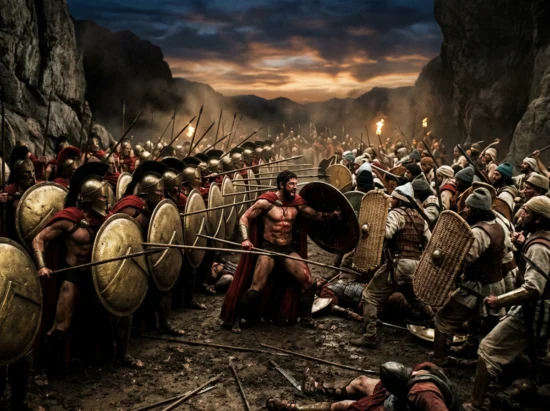
The Persian Wars, which took place from 490 to 449 BCE, were a series of conflicts between the Achaemenid Empire and the city-states of ancient Greece. The most famous battle of the Persian Wars was the Battle of Marathon, where a small Athenian force defeated a much larger Persian army. The Persian Wars marked a significant turning point in the empire’s military history, as it demonstrated the vulnerability of the empire’s military to Greek warfare and the importance of alliances and diplomacy in achieving success.
The Decline of the Achaemenid Empire
The Achaemenid Empire began to decline in the 4th century BCE, as internal conflicts and external pressures took their toll. The empire’s military was weakened by the rise of the Macedonians, who eventually conquered the empire and established a new dynasty. The decline of the Achaemenid Empire marked the end of an era in ancient Persia, and it paved the way for the rise of new powers in the region.
The Legacy of Ancient Persia’s Military
The military history of ancient Persia is a testament to the empire’s strength, organization, and strategic genius. The empire’s military legacy continues to inspire and influence modern military tactics and strategies. The Achaemenid Empire’s military organization, its use of speed and surprise, and its emphasis on clever tactics and alliances are all still studied and emulated today.
Conclusion
The military history of ancient Persia is a rich and fascinating topic that offers insights into the empire’s strength, organization, and strategic genius. From the conquests of Cyrus the Great to the decline of the Achaemenid Empire, the military history of ancient Persia is a testament to the empire’s enduring legacy and its continued influence on modern military tactics and strategies.
FAQ
Q: What was the primary role of the Immortals in the Achaemenid Empire’s military?
The Immortals were the elite infantry unit of the Achaemenid Empire’s military. They were responsible for guarding the empire’s ruler and were known for their bravery and loyalty.
Q: Who was the greatest military leader of the Achaemenid Empire?
Cyrus the Great is widely regarded as one of the greatest military leaders of the Achaemenid Empire. He united the Persian tribes and began a series of conquests that would eventually lead to the establishment of the Achaemenid Empire.
Q: What was the significance of the Royal Road in the Achaemenid Empire’s military history?
The Royal Road was a vast network of roads that connected the Achaemenid Empire’s territories and allowed for the efficient movement of troops and supplies. It played a key role in the empire’s military conquests and expansion.
Q: What was the outcome of the Battle of Marathon?
The Battle of Marathon was a decisive victory for the Athenians, who defeated a much larger Persian army. The battle marked a significant turning point in the Achaemenid Empire’s military history, as it demonstrated the vulnerability of the empire’s military to Greek warfare.