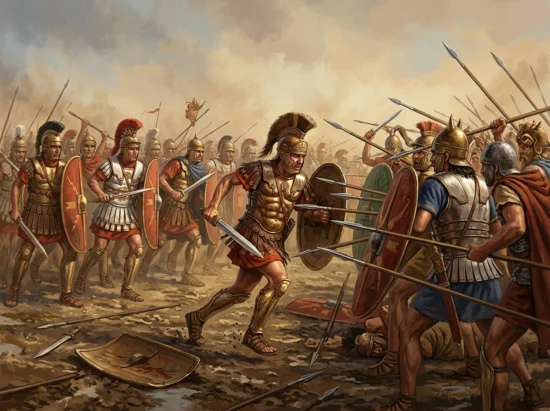
Introduction to Roman Military Engineering
The Roman Empire was renowned for its military prowess, and a significant factor in its success was the engineering expertise that enabled its armies to traverse, fortify, and occupy vast territories. Roman military engineering, which spanned from the 3rd century BCE to the 5th century CE, was a complex and multifaceted discipline that involved the design, construction, and maintenance of various military structures, including fortifications, bridges, roads, and siege engines.
Early Developments in Roman Military Engineering
The development of Roman military engineering was closely tied to the expansion of the Roman state. As Rome’s territories expanded, the need for military infrastructure grew. The Roman Republic, in particular, invested heavily in military engineering to facilitate the conquest and occupation of new territories. The construction of fortifications, roads, and bridges became a crucial aspect of Roman military strategy, allowing their armies to move quickly and effectively across vast distances.
One of the earliest examples of Roman military engineering can be seen in the construction of the Appian Way, one of Rome’s earliest and most famous roads. Built in the 4th century BCE, the Appian Way was a testament to Roman engineering prowess, stretching over 350 miles from Rome to the southern Italian city of Capua. Its construction required the development of new technologies and techniques, including the use of concrete, which would become a hallmark of Roman engineering.
The Role of Military Engineers in Roman Society
Roman military engineers were highly respected members of Roman society. They were trained in the arts of mathematics, architecture, and engineering, and were often recruited from the ranks of the plebeian class. Military engineers were responsible for designing and constructing military infrastructure, including fortifications, bridges, and siege engines. They also played a crucial role in the development of Roman urban planning, designing and building cities and public buildings.
Roman military engineers were also responsible for the construction of various types of siege engines, including catapults, ballistae, and scorpiones. These devices were designed to breach enemy walls and fortifications, and were often used in conjunction with other military technologies, such as battering rams and towers. The development of siege engines was a key aspect of Roman military engineering, allowing their armies to overcome even the most formidable defenses.
Technological Innovations in Roman Military Engineering
Roman military engineering was characterized by a number of technological innovations that enabled the construction of complex and sophisticated military infrastructure. One of the most significant innovations was the development of concrete, which was first used in the construction of the Appian Way. Concrete was made from a mixture of lime, water, and volcanic ash, and was incredibly durable and resistant to weathering.
Another key innovation in Roman military engineering was the development of the arch, which was first used in the construction of the Pont du Gard aqueduct. The arch allowed for the creation of large, open spaces that were previously impossible to achieve with traditional Roman engineering techniques. The arch also enabled the construction of more complex and sophisticated military infrastructure, including fortifications and siege engines.
Examples of Roman Military Engineering in Action
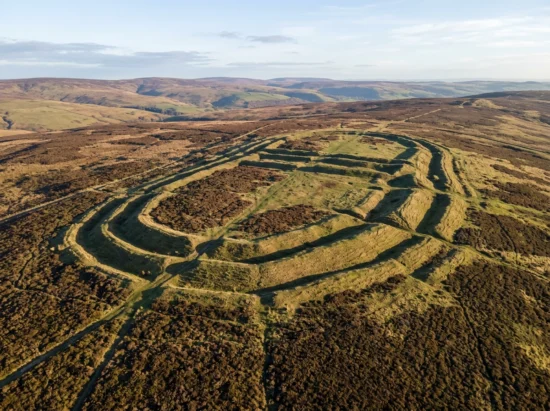
There are many examples of Roman military engineering in action, including the construction of the Roman Colosseum, the Pantheon, and the Roman Forum. However, one of the most impressive examples of Roman military engineering is the construction of the Hadrian’s Wall, which was built in the 2nd century CE to mark the northern boundary of the Roman Empire.
Hadrian’s Wall was a complex and sophisticated military infrastructure that stretched over 80 miles from the Solway Firth to the North Sea. It was built using a combination of stone, earth, and timber, and was designed to prevent the incursion of Celtic tribes into Roman territory. The wall was also equipped with a series of fortlets and milecastles, which were designed to provide a secure and efficient means of communication and surveillance.
The Legacy of Roman Military Engineering
The legacy of Roman military engineering can be seen in the many structures that still stand today, including the Colosseum, the Pantheon, and the Roman Forum. However, the impact of Roman military engineering extends far beyond these physical structures. The development of Roman military engineering also had a profound impact on the development of Western civilization, influencing the development of architecture, engineering, and urban planning.
Roman military engineering also had a significant impact on the development of modern warfare. The development of siege engines and other military technologies enabled Roman armies to breach even the most formidable defenses, and paved the way for the development of modern artillery and other military technologies.
Conclusion
Roman military engineering was a complex and multifaceted discipline that played a crucial role in the success of the Roman Empire. The development of new technologies and techniques, including the use of concrete and the arch, enabled the construction of complex and sophisticated military infrastructure. The legacy of Roman military engineering can be seen in the many structures that still stand today, and its impact on the development of Western civilization is still felt today.
FAQs
What was the primary purpose of Roman military engineering?
The primary purpose of Roman military engineering was to facilitate the conquest and occupation of new territories, and to enable the Roman armies to move quickly and effectively across vast distances.
What were some of the key technologies developed by Roman military engineers?
Some of the key technologies developed by Roman military engineers include the use of concrete, the arch, and siege engines, including catapults, ballistae, and scorpiones.
What was the significance of the Appian Way in Roman military engineering?
The Appian Way was one of Rome’s earliest and most famous roads, stretching over 350 miles from Rome to the southern Italian city of Capua. Its construction required the development of new technologies and techniques, including the use of concrete, which would become a hallmark of Roman engineering.
What was the impact of Roman military engineering on modern warfare?
The development of siege engines and other military technologies enabled Roman armies to breach even the most formidable defenses, and paved the way for the development of modern artillery and other military technologies.