The Greatest Military Strategists
A Timeless Legacy of Leadership
The art of war has been a cornerstone of human civilization, with military strategists playing a crucial role in shaping the course of history. From ancient civilizations to modern-day conflicts, the greatest military strategists have consistently demonstrated the ability to outmaneuver, outthink, and outperform their opponents. In this article, we will delve into the lives and achievements of some of the most iconic military strategists in history, examining the key factors that contributed to their success.
The Ancient Masters: Sun Tzu and Epaminondas
Sun Tzu: The Father of Military Strategy
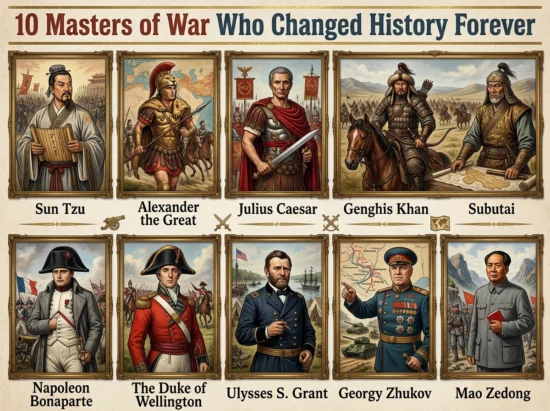
Born in China during the Eastern Zhou period, Sun Tzu is widely regarded as one of the greatest military strategists of all time. His seminal work, “The Art of War,” is a comprehensive treatise on the principles of war, encompassing strategy, tactics, and logistics. Sun Tzu’s philosophy emphasizes the importance of adaptability, deception, and surprise in warfare. His concepts, such as the “center and the periphery” and “the five elements,” continue to influence military thinking to this day.
Sun Tzu’s most famous maxim, “The supreme art of war is to subdue the enemy without fighting,” highlights his emphasis on avoiding unnecessary bloodshed and minimizing casualties. His approach to warfare was holistic, considering not only the military aspects but also the social, economic, and environmental factors that influence the outcome of battles. By studying Sun Tzu’s theories, modern military leaders can gain valuable insights into the art of war and its application in various contexts.
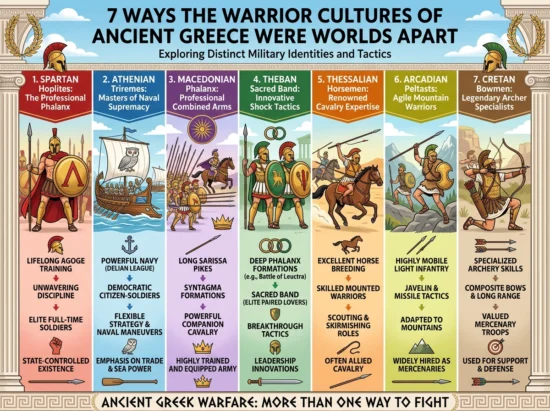
Epaminondas: The Theban General
Epaminondas, a Theban general, is credited with leading the Theban army to several victories against the powerful Spartan state. His innovative tactics and strategies revolutionized the art of war in ancient Greece. Epaminondas is famous for his “oblique order” formation, which involved placing the strongest troops on the flanks, rather than in the center, to create a more flexible and adaptable fighting line. This approach allowed him to exploit the weaknesses of his opponents and gain a decisive advantage on the battlefield.
Epaminondas’s leadership style was characterized by his emphasis on discipline, morale, and the role of the general in the heat of battle. His vision for a unified Greece, free from the dominance of Sparta, is a testament to his strategic thinking and his ability to inspire loyalty and devotion in his troops.
The Renaissance Strategists: Turenne and Gustavus Adolphus
Turenne: The Marshals of France
Henri de la Tour d’Auvergne, Vicomte de Turenne, was a French marshal who served under Louis XIV. He is widely regarded as one of the greatest military strategists of the 17th century. Turenne’s tactical genius and innovative thinking allowed him to excel in various battles, from the Thirty Years’ War to the Franco-Spanish War. His emphasis on adaptability, flexibility, and the use of terrain to one’s advantage is a hallmark of his strategic approach.
Turenne’s leadership style was characterized by his ability to inspire loyalty and devotion in his troops, as well as his willingness to take calculated risks on the battlefield. His tactical innovations, such as the use of cavalry and the deployment of troops in a “line of battle,” had a lasting impact on the development of modern warfare.
Gustavus Adolphus: The Lion of the North
Gustavus Adolphus, King of Sweden, was a skilled military strategist who played a crucial role in the Thirty Years’ War. His emphasis on discipline, morale, and the role of the general in the heat of battle is a testament to his strategic thinking. Adolphus’s tactical genius and innovative thinking allowed him to excel in various battles, from the Battle of Breitenfeld to the Battle of Lützen.
Adolphus’s leadership style was characterized by his ability to inspire loyalty and devotion in his troops, as well as his willingness to take calculated risks on the battlefield. His emphasis on the use of artillery, the deployment of troops in a “line of battle,” and the importance of logistics in warfare had a lasting impact on the development of modern warfare.
The Modern Strategists: Napoleon Bonaparte and Erwin Rommel
Napoleon Bonaparte: The Emperor of War
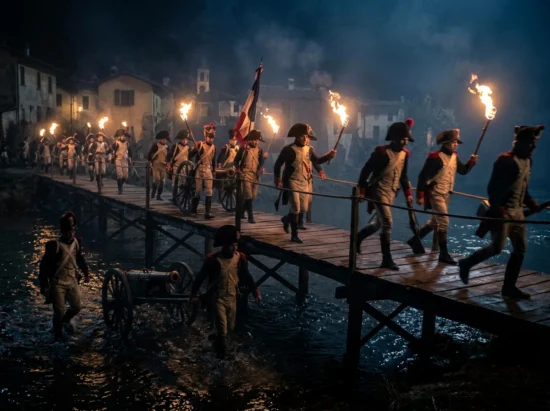
Napoleon Bonaparte, Emperor of France, is widely regarded as one of the greatest military strategists in history. His emphasis on discipline, morale, and the role of the general in the heat of battle is a testament to his strategic thinking. Napoleon’s tactical genius and innovative thinking allowed him to excel in various battles, from the Italian Campaign to the Battle of Waterloo.
Napoleon’s leadership style was characterized by his ability to inspire loyalty and devotion in his troops, as well as his willingness to take calculated risks on the battlefield. His emphasis on the use of artillery, the deployment of troops in a “line of battle,” and the importance of logistics in warfare had a lasting impact on the development of modern warfare.
Erwin Rommel: The Desert Fox
Erwin Rommel, a German field marshal, is widely regarded as one of the greatest military strategists of World War II. His emphasis on adaptability, flexibility, and the use of terrain to one’s advantage is a hallmark of his strategic approach. Rommel’s tactical genius and innovative thinking allowed him to excel in various battles, from the North African Campaign to the Italian Campaign.
Rommel’s leadership style was characterized by his ability to inspire loyalty and devotion in his troops, as well as his willingness to take calculated risks on the battlefield. His emphasis on the use of combined arms, the deployment of troops in a “line of battle,” and the importance of logistics in warfare had a lasting impact on the development of modern warfare.
Conclusion
The greatest military strategists have consistently demonstrated the ability to outmaneuver, outthink, and outperform their opponents. By studying the lives and achievements of these iconic leaders, modern military leaders can gain valuable insights into the art of war and its application in various contexts. The principles of Sun Tzu, Epaminondas, Turenne, Gustavus Adolphus, Napoleon Bonaparte, and Erwin Rommel continue to influence military thinking to this day, serving as a testament to the timeless legacy of leadership in the art of war.
FAQ
What are the key factors that contribute to a military strategist’s success?
A successful military strategist must possess a combination of skills, including adaptability, flexibility, and the ability to inspire loyalty and devotion in their troops. Additionally, they must be able to think creatively and take calculated risks on the battlefield.
Can a military strategist’s approach to warfare be influenced by their cultural and social context?
Yes, a military strategist’s approach to warfare can be influenced by their cultural and social context. For example, Sun Tzu’s emphasis on avoiding unnecessary bloodshed and minimizing casualties reflects the cultural values of ancient China.
How do modern military leaders apply the principles of ancient military strategists to contemporary conflicts?
Modern military leaders apply the principles of ancient military strategists by studying their theories and adapting them to the complexities of modern warfare. For example, the use of combined arms and the deployment of troops in a “line of battle” are tactics that have been developed and refined over time.
What is the importance of logistics in modern warfare?
Logistics play a crucial role in modern warfare, as they enable military leaders to maintain their forces, supply their troops, and deploy their equipment. A successful military strategist must be able to manage logistics effectively to achieve their objectives.
Can a military strategist’s leadership style be characterized by their willingness to take calculated risks on the battlefield?
Yes, a military strategist’s leadership style can be characterized by their willingness to take calculated risks on the battlefield. For example, Napoleon Bonaparte’s willingness to take calculated risks allowed him to excel in various battles and achieve his objectives.