Medieval Military Engineers: The Unsung Heroes of Medieval Warfare
The Importance of Military Engineers in Medieval Warfare
Medieval military engineers played a crucial role in medieval warfare, often serving as the unseen force behind many a successful campaign. These skilled individuals were responsible for designing and constructing fortifications, siege engines, and other military infrastructure that helped decide the outcome of battles. Their work was often the key to a successful siege or defense, and their innovative ideas and techniques helped shape the course of medieval warfare.
A Brief History of Medieval Military Engineering
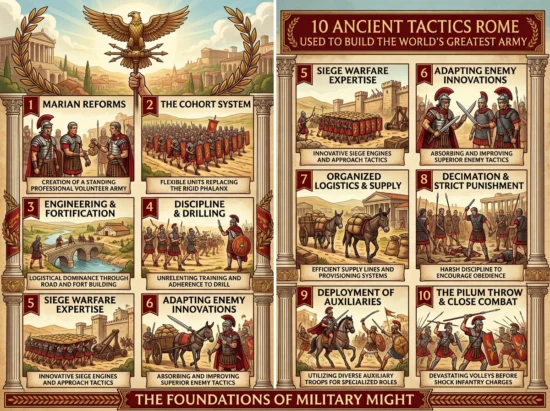
The history of medieval military engineering dates back to the Roman Empire, where engineers were responsible for designing and constructing fortifications, roads, and other infrastructure projects. However, it was during the Middle Ages that military engineering became a distinct profession, with engineers developing new techniques and technologies to support the armies of Europe.
During the Middle Ages, military engineers were responsible for designing and constructing fortifications, such as castles, walls, and towers. They also developed and improved siege engines, such as catapults, trebuchets, and battering rams, which were used to breach enemy defenses. In addition, engineers were responsible for designing and constructing military infrastructure, such as bridges, roads, and canals, which facilitated the movement of armies and the supply of troops.
Types of Medieval Military Engineers
There were several types of medieval military engineers, each with their own area of expertise. Some of the most common types of military engineers included:
- Siege Engineers: These engineers were responsible for designing and constructing siege engines, such as catapults and trebuchets. They also developed and improved the techniques for using these engines to breach enemy defenses.
- Fortification Engineers: These engineers were responsible for designing and constructing fortifications, such as castles and walls. They also developed and improved the techniques for using these fortifications to defend against enemy attacks.
- Infrastructure Engineers: These engineers were responsible for designing and constructing military infrastructure, such as bridges, roads, and canals. They also developed and improved the techniques for using these infrastructure to facilitate the movement of armies and the supply of troops.
The Role of Medieval Military Engineers in Battle
Medieval military engineers played a crucial role in battle, often serving as the unseen force behind many a successful campaign. They were responsible for designing and constructing fortifications, siege engines, and other military infrastructure that helped decide the outcome of battles. Their work was often the key to a successful siege or defense, and their innovative ideas and techniques helped shape the course of medieval warfare.
In addition, medieval military engineers were often responsible for advising commanders on the best ways to use their infrastructure and siege engines. They also developed and improved the techniques for using these engines to breach enemy defenses, and for designing and constructing fortifications that could withstand enemy attacks.
The Legacy of Medieval Military Engineers
Medieval military engineers left a lasting legacy in the field of warfare. Their innovative ideas and techniques helped shape the course of medieval warfare, and their work had a significant impact on the development of modern military engineering. Today, military engineers continue to play a crucial role in modern warfare, using advanced technologies and techniques to support the armies of the world.
Conclusion
Medieval military engineers played a crucial role in medieval warfare, often serving as the unseen force behind many a successful campaign. Their innovative ideas and techniques helped shape the course of medieval warfare, and their work had a significant impact on the development of modern military engineering. Today, military engineers continue to play a crucial role in modern warfare, using advanced technologies and techniques to support the armies of the world.
Practical FAQ
Q: What were some of the most common types of medieval military engineers?
A: Some of the most common types of medieval military engineers included siege engineers, fortification engineers, and infrastructure engineers. Siege engineers were responsible for designing and constructing siege engines, such as catapults and trebuchets. Fortification engineers were responsible for designing and constructing fortifications, such as castles and walls. Infrastructure engineers were responsible for designing and constructing military infrastructure, such as bridges, roads, and canals.
Q: What was the role of medieval military engineers in battle?
A: Medieval military engineers played a crucial role in battle, often serving as the unseen force behind many a successful campaign. They were responsible for designing and constructing fortifications, siege engines, and other military infrastructure that helped decide the outcome of battles. Their work was often the key to a successful siege or defense, and their innovative ideas and techniques helped shape the course of medieval warfare.
Q: How did medieval military engineers contribute to the development of modern military engineering?
A: Medieval military engineers contributed significantly to the development of modern military engineering. Their innovative ideas and techniques helped shape the course of medieval warfare, and their work had a lasting impact on the development of modern military engineering. Today, military engineers continue to build on the legacy of their medieval counterparts, using advanced technologies and techniques to support the armies of the world.
Q: What were some of the most significant contributions of medieval military engineers?
A: Some of the most significant contributions of medieval military engineers include the development of siege engines, such as catapults and trebuchets, and the design and construction of fortifications, such as castles and walls. They also developed and improved the techniques for using these fortifications to defend against enemy attacks, and for designing and constructing military infrastructure, such as bridges, roads, and canals.