Famous Military Commanders in History
Introduction
Military commanders have shaped the course of history, their strategic decisions and leadership abilities influencing the outcome of battles, wars, and even entire civilizations. From ancient times to modern days, these individuals have demonstrated exceptional bravery, tactical acumen, and a deep understanding of their troops and the enemy. In this article, we will delve into the lives and achievements of some of the most renowned military commanders in history, exploring their contributions to the art of warfare and their lasting legacies.
The Ancient Era: Masters of War
Alexander the Great (356-323 BCE)
Ancient Greek king and military commander, Alexander III of Macedon, is considered one of the greatest military minds in history. At the age of 20, he succeeded his father Philip II as king and began his conquest of the Persian Empire, which stretched from Greece to India. Alexander’s campaigns were marked by his innovative tactics, courage, and ability to inspire loyalty among his troops. He founded over 70 cities, including Alexandria in Egypt, which became a major center of culture and learning.
Hannibal (247-183 BCE)
Barcian general and statesman, Hannibal, is best known for his daring invasion of Italy during the Second Punic War. With his clever use of terrain and his famous crossing of the Alps with war elephants, Hannibal inflicted several crushing defeats on the Romans, earning him a reputation as a brilliant and feared commander. Despite his ultimate defeat, Hannibal’s campaigns against Rome had a lasting impact on the development of military strategy.
Julius Caesar (100-44 BCE)
Roman general and statesman, Julius Caesar, is renowned for his military conquests in Gaul (modern-day France and Belgium) and his subsequent rise to power in Rome. Caesar’s campaigns were marked by his innovative use of tactics, his ability to inspire loyalty among his troops, and his famous crossing of the Rubicon River, which led to his appointment as dictator of Rome. Caesar’s legacy extends beyond his military achievements, as he played a significant role in shaping the Roman Empire.
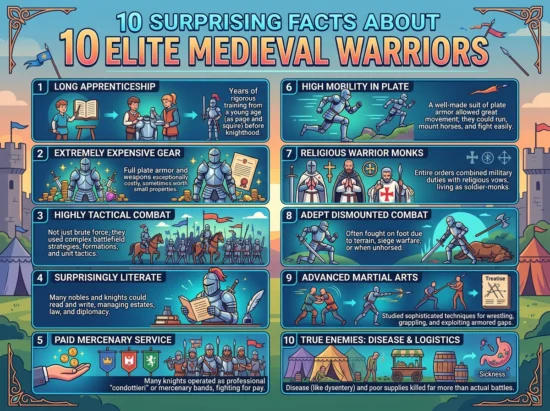
The Medieval Era: Knights and Nobles
Richard the Lionheart (1157-1199)
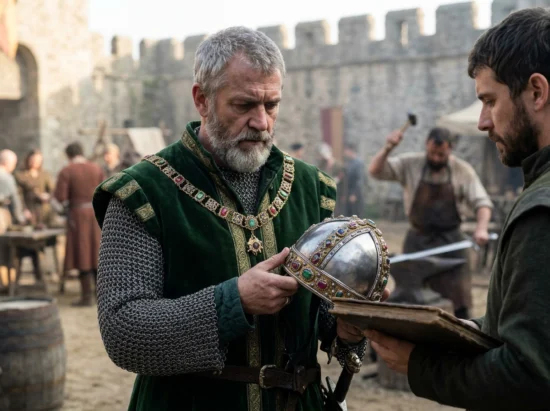
King of England and leader of the Third Crusade, Richard I, is remembered for his military prowess and his unwavering commitment to his Christian faith. During the Crusades, Richard led his troops to several victories against the Muslim forces, earning him a reputation as a skilled and courageous commander. His leadership and diplomatic skills also played a crucial role in the negotiations with the Sultan of Egypt.
Saladin (1137-1193)
Ayyubid Sultan of Egypt and Syria, Saladin, is celebrated for his military campaigns against the Crusaders and his subsequent establishment of a unified Muslim state. Saladin’s leadership and diplomatic skills allowed him to maintain a fragile peace with the Crusaders, earning him a reputation as a wise and just ruler. His military campaigns against the Crusaders were marked by his clever use of terrain and his ability to inspire loyalty among his troops.
Edward the Black Prince (1330-1376)
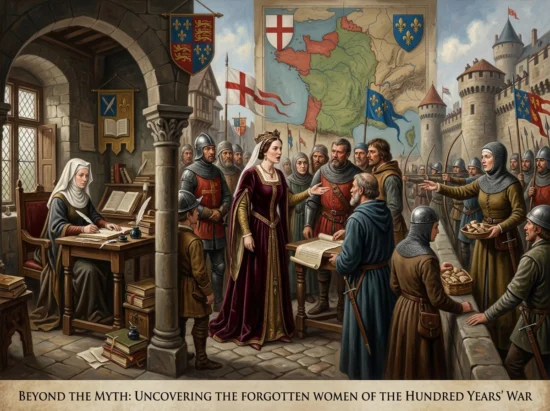
Prince of Wales and military commander, Edward of Woodstock, is remembered for his military campaigns in France during the Hundred Years’ War. Edward’s campaigns were marked by his innovative use of tactics, his ability to inspire loyalty among his troops, and his famous victory at the Battle of Crécy. Edward’s legacy extends beyond his military achievements, as he played a significant role in shaping the English monarchy.
The Modern Era: The Age of Industrialization
Napoleon Bonaparte (1769-1821)
French military commander and emperor, Napoleon Bonaparte, is considered one of the greatest military minds in history. His campaigns in Europe and Asia were marked by his innovative use of tactics, his ability to inspire loyalty among his troops, and his famous victories at the Battle of Austerlitz and the Battle of Jena. Napoleon’s legacy extends beyond his military achievements, as he played a significant role in shaping the modern French state.
George S. Patton (1885-1945)
American military commander during World War II, George S. Patton, is remembered for his leadership and his role in the Allied victory. Patton’s campaigns were marked by his innovative use of tactics, his ability to inspire loyalty among his troops, and his famous victories in North Africa and Europe. Patton’s legacy extends beyond his military achievements, as he played a significant role in shaping the modern American military.
Erwin Rommel (1891-1944)
German field marshal and military commander, Erwin Rommel, is celebrated for his military campaigns in North Africa during World War II. Rommel’s campaigns were marked by his innovative use of tactics, his ability to inspire loyalty among his troops, and his famous victories against the British and the Allies. Rommel’s legacy extends beyond his military achievements, as he played a significant role in shaping the modern German military.
Conclusion
The military commanders featured in this article have left an indelible mark on the course of history. Their innovative tactics, bravery, and leadership abilities have influenced the outcome of battles, wars, and entire civilizations. As we reflect on their achievements, we are reminded of the importance of military leadership and the role it plays in shaping the world we live in today.
FAQ
Q: Who is the most famous military commander in history?
A: While opinions may vary, Alexander the Great is often considered the most famous military commander in history, due to his extensive conquests and lasting legacy.
Q: What is the most significant military campaign in history?
A: The Second Punic War, fought between Rome and Carthage, is often considered the most significant military campaign in history, as it had a lasting impact on the development of military strategy and the rise of Rome as a dominant power.
Q: Who was the greatest military commander of World War II?
A: While opinions may vary, George S. Patton is often considered one of the greatest military commanders of World War II, due to his leadership and his role in the Allied victory.
Q: What is the most important quality of a military commander?
A: The most important quality of a military commander is their ability to inspire loyalty and trust among their troops. A commander who can inspire their troops to fight bravely and follow their orders is more likely to achieve success on the battlefield.