Table of Contents
Viking Warriors and Their Weapons
A Fearsome Sight on the Battlefield
The Viking warriors, also known as Norsemen or Danes, were a force to be reckoned with on the battlefields of Europe during the Viking Age, which spanned from the late 8th century to the mid-11th century. Their martial prowess, combined with their formidable arsenal of weapons, made them a dominant force in the medieval world. In this article, we will delve into the world of Viking warriors and their weaponry, exploring the various types of arms they used and the tactics they employed to achieve victory.
The Origins of Viking Warfare
The Viking Age saw the rise of a highly organized and mobile society, with a strong emphasis on martial skills and the development of advanced technologies. The Vikings’ love of warfare and their skill in battle were largely due to their cultural and social norms. The Viking warriors’ primary goal was to raid and plunder, but they also sought to expand their territories and establish a strong sense of community. This led to the development of a sophisticated system of warfare, with a focus on strategy, tactics, and technological innovation.
Types of Viking Warriors
The Viking warriors were a diverse group, comprising various types of fighters with different skills and specialties. Some of the most notable types of Viking warriors include:
- Housecarls: These were the elite warriors of the Viking armies, handpicked for their exceptional martial skills and bravery. They wore the finest armor and wielded the most powerful weapons.
- Leysingar: These were the lesser warriors of the Viking armies, often comprising younger or less experienced fighters. They were still highly skilled and deadly on the battlefield, but their status was lower than that of the housecarls.
- Skalds: These were the poets and musicians of the Viking armies, who used their words and music to inspire and intimidate their enemies.
Viking Weapons
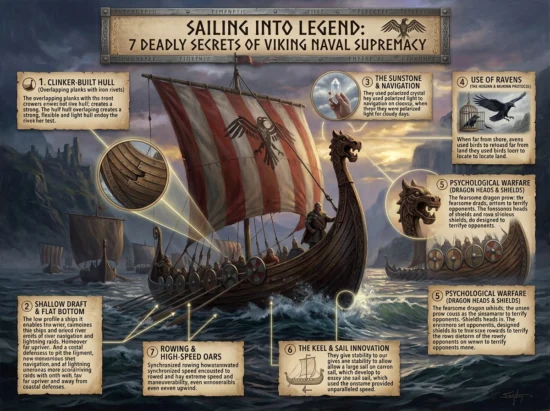
The Viking warriors were known for their mastery of a wide range of weapons, each designed for specific purposes and combat situations. Some of the most notable Viking weapons include:
- Swords: The Viking warriors wielded a variety of swords, including the longsword, the short sword, and the battle-axe. These swords were often decorated with intricate designs and symbols, reflecting the Viking’s love of art and craftsmanship.
- Ax heads: The Viking warriors used a range of ax heads, including the battle-axe, the throwing axe, and the war-hammer. These were used for close combat, often in conjunction with a shield.
- Bows and arrows: The Viking warriors used bows and arrows for ranged combat, often from the safety of a shield wall or a fortified position.
- Shields: The Viking warriors used a range of shields, including the round shield, the kite shield, and the scutum. These shields were often decorated with intricate designs and symbols, reflecting the Viking’s love of art and craftsmanship.
Tactics and Strategy
The Viking warriors were skilled tacticians and strategists, often employing clever tactics and ploys to outmaneuver their enemies. Some of the most notable Viking tactics include:
- Raiding and plundering: The Viking warriors often launched surprise raids on unsuspecting villages and towns, using their speed and mobility to catch their enemies off guard.
- Shield walls: The Viking warriors would form tight shield walls, using their shields to protect themselves from enemy arrows and attacks.
- Feigned retreats: The Viking warriors would often pretend to retreat, only to lure their enemies into a trap or ambush.
The Legacy of Viking Warriors
The Viking warriors left a lasting legacy in the medieval world, their martial prowess and technological innovations shaping the course of European history. The Viking warriors’ love of warfare and their emphasis on strategy and tactics have inspired countless generations of warriors and leaders. Their legacy can be seen in the many cultures and societies that have been influenced by the Viking Age, from the English to the Scandinavian.
Conclusion
The Viking warriors were a force to be reckoned with on the battlefields of Europe during the Viking Age. Their martial prowess, combined with their formidable arsenal of weapons, made them a dominant force in the medieval world. The Viking warriors’ love of warfare and their emphasis on strategy and tactics have inspired countless generations of warriors and leaders, leaving a lasting legacy in the medieval world.
FAQs
Q: What was the primary goal of Viking warriors?
A: The primary goal of Viking warriors was to raid and plunder, but they also sought to expand their territories and establish a strong sense of community.
Q: What was the difference between housecarls and leysingar?
A: Housecarls were the elite warriors of the Viking armies, handpicked for their exceptional martial skills and bravery. Leysingar, on the other hand, were the lesser warriors of the Viking armies, often comprising younger or less experienced fighters.
Q: What types of swords did the Viking warriors use?
A: The Viking warriors used a variety of swords, including the longsword, the short sword, and the battle-axe. These swords were often decorated with intricate designs and symbols, reflecting the Viking’s love of art and craftsmanship.
Q: What was the significance of shield walls in Viking warfare?
A: Shield walls were a key tactic employed by the Viking warriors, using their shields to protect themselves from enemy arrows and attacks. This allowed them to form a tight, impenetrable line that was difficult for their enemies to breach.