World War I Explained: A Comprehensive Guide to the Great War
World War I, also known as the Great War, was a global conflict that lasted from 1914 to 1918. It was one of the deadliest conflicts in history, with millions of soldiers and civilians killed or wounded. The war was a complex and multifaceted event that involved many countries and empires, and its causes and consequences are still debated by historians and scholars today.
The Road to War
The war was sparked by the assassination of Archduke Franz Ferdinand, the heir to the throne of Austria-Hungary, by Gavrilo Princip, a Bosnian Serb nationalist, on June 28, 1914. However, the underlying tensions and rivalries between the great powers of Europe had been building for decades. The complex system of alliances and rivalries between these powers created a situation in which a small conflict in the Balkans could quickly escalate into a global war.
The two main alliances were the Triple Entente, which consisted of France, Britain, and Russia, and the Triple Alliance, which consisted of Germany, Austria-Hungary, and Italy. These alliances created a situation in which a conflict between any two member states could quickly draw in other nations, creating a chain reaction of alliances and rivalries that would eventually lead to the outbreak of war.
The War Begins
On July 28, 1914, Austria-Hungary declared war on Serbia, and Germany declared war on Russia. Over the next few weeks, Germany declared war on France and Belgium, while Britain declared war on Germany. The war quickly spread to other parts of Europe, and by the end of 1914, it had become a global conflict.
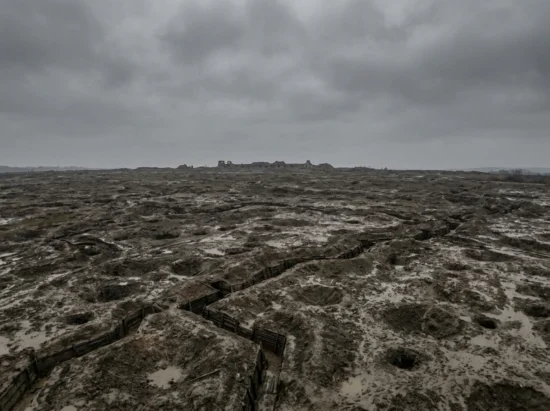
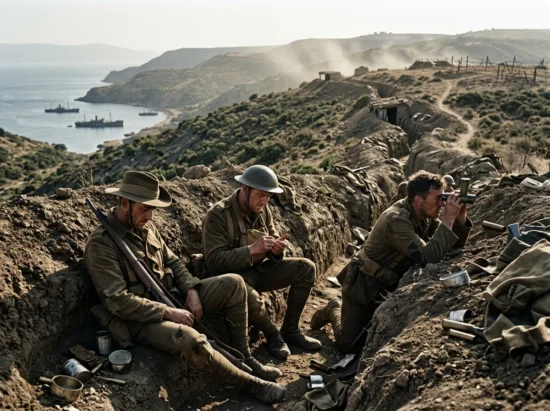
The war was fought on multiple fronts, including the Western Front in France and Belgium, the Eastern Front in Russia, and the Italian Front in Italy. The war was characterized by the use of new technologies, such as machine guns, tanks, and poison gas, which caused unprecedented levels of casualties and suffering.
The War at Sea
The war at sea was a crucial aspect of the conflict, as the great powers sought to blockade and starve their enemies into submission. Germany’s U-boat campaign, which targeted civilian shipping, was particularly effective, and it led to the sinking of the passenger ship Lusitania in May 1915. The sinking of the Lusitania outraged public opinion in the United States and helped to shift American opinion against Germany.
The war at sea also saw the introduction of new technologies, such as submarines and aircraft carriers, which played a crucial role in the war. The Allies’ naval blockade of Germany was particularly effective, and it helped to weaken the German economy and military.
The War on the Home Front
The war had a profound impact on the home front in all the warring countries. Civilians were mobilized to support the war effort, and women took on new roles in the workforce and in society. The war also led to a significant increase in government control and regulation of the economy, as governments sought to mobilize resources and manpower for the war effort.
The war also had a significant impact on the arts and culture. Many famous artists, writers, and musicians served in the military or were involved in the war effort. The war also saw the rise of new forms of art and literature, such as the Dada movement, which responded to the chaos and destruction of the war.
The Armistice and Treaty of Versailles
The war ended on November 11, 1918, with the signing of the Armistice of Compiègne. The Armistice was a temporary agreement that ended the fighting, but it did not establish a lasting peace. The Treaty of Versailles, signed on June 28, 1919, officially ended the war and imposed harsh penalties on Germany.
The Treaty of Versailles was a significant event in world history, as it imposed a lasting peace on Germany and imposed significant penalties on the country. The treaty also established the League of Nations, a precursor to the United Nations, which was designed to promote international cooperation and prevent future wars.
Conclusion
World War I was a complex and multifaceted event that had a profound impact on world history. The war was fought on multiple fronts, and it saw the introduction of new technologies that would shape the course of modern warfare. The war also had a significant impact on the home front, and it led to a significant increase in government control and regulation of the economy.
The war also had a lasting impact on the world, as it led to the rise of new forms of art and literature, and it established the League of Nations, a precursor to the United Nations. The war also had a profound impact on the global balance of power, as it led to the rise of new powers, such as the United States, and the decline of old powers, such as the Austro-Hungarian Empire.
Frequently Asked Questions
What were the main causes of World War I?
The main causes of World War I were the complex system of alliances and rivalries between the great powers of Europe, the assassination of Archduke Franz Ferdinand, and the rise of nationalism and militarism in many countries.
What were the main events of the war?
The main events of the war were the outbreak of war in August 1914, the introduction of new technologies, such as machine guns and poison gas, the sinking of the Lusitania in May 1915, and the Armistice of Compiègne in November 1918.
What was the impact of the war on civilians?
The war had a profound impact on civilians, as many were mobilized to support the war effort, and women took on new roles in the workforce and in society. The war also led to a significant increase in government control and regulation of the economy, as governments sought to mobilize resources and manpower for the war effort.
What was the Treaty of Versailles?
The Treaty of Versailles was a peace treaty that was signed on June 28, 1919, which officially ended the war and imposed harsh penalties on Germany. The treaty also established the League of Nations, a precursor to the United Nations, which was designed to promote international cooperation and prevent future wars.
What was the significance of the war?
The war had a profound impact on world history, as it led to the rise of new forms of art and literature, and it established the League of Nations, a precursor to the United Nations. The war also had a lasting impact on the global balance of power, as it led to the rise of new powers, such as the United States, and the decline of old powers, such as the Austro-Hungarian Empire.