The Evolution of Modern Soldiers
From Ancient Warriors to Technologically Advanced Fighters
The concept of a soldier has been around for thousands of years, with the first recorded evidence of military forces dating back to ancient civilizations. Over the centuries, the role of the soldier has evolved significantly, influenced by technological advancements, societal changes, and the emergence of new warfare strategies. In this article, we will explore the transformation of modern soldiers from their ancient counterparts to the highly advanced, technologically equipped warriors of today.
Ancient Warriors: The First Soldiers
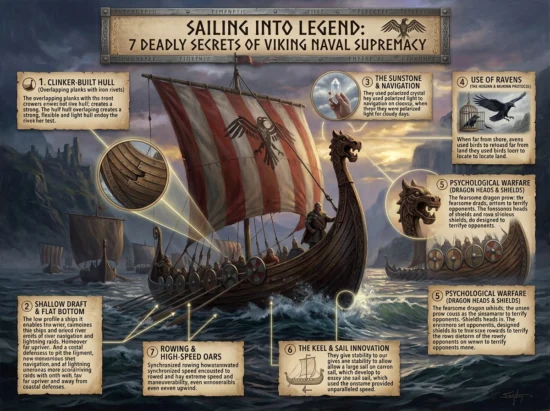
The earliest recorded evidence of military forces dates back to ancient Mesopotamia, around 4000 BC. These early soldiers were often part of a feudal system, where warriors were tied to the land and fought in the service of their lords. In ancient Greece and Rome, soldiers were organized into phalanxes and legions, respectively, and were often equipped with minimal armor and primitive weapons. Despite their limited technology, ancient warriors were skilled in hand-to-hand combat and tactics that would later influence modern military strategies.
The Middle Ages: Knights and Men-at-Arms
The Middle Ages saw the emergence of knights and men-at-arms, who were the primary fighting forces of medieval armies. Knights were heavily armored, mounted warriors who fought on horseback, while men-at-arms were infantrymen who fought on foot. The introduction of the longbow and crossbow during this period revolutionized warfare, allowing armies to attack from a distance and increasing the effectiveness of medieval forces. The concept of chivalry also emerged during this period, emphasizing the importance of honor, loyalty, and martial prowess among knights.
The Age of Gunpowder: The Emergence of Modern Soldiers
The introduction of gunpowder in the 14th century marked a significant turning point in the evolution of modern soldiers. Firearms enabled armies to attack more effectively, and the development of artillery allowed for the deployment of heavy, mobile firepower. The emergence of nation-states and the rise of professional armies during the 17th and 18th centuries saw the development of more organized and disciplined fighting forces. The introduction of uniforms, ranks, and codes of conduct also helped to establish the modern concept of a soldier.
The Industrial Revolution: Mass Production and Technological Advancements
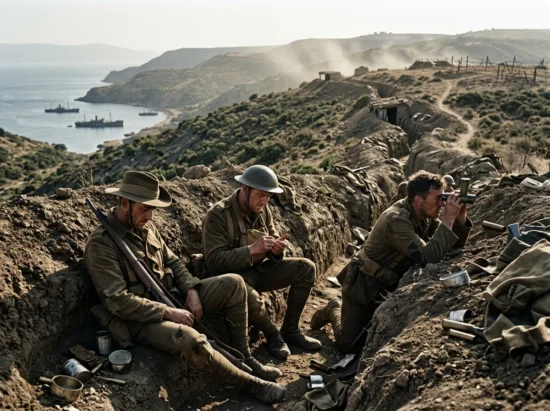
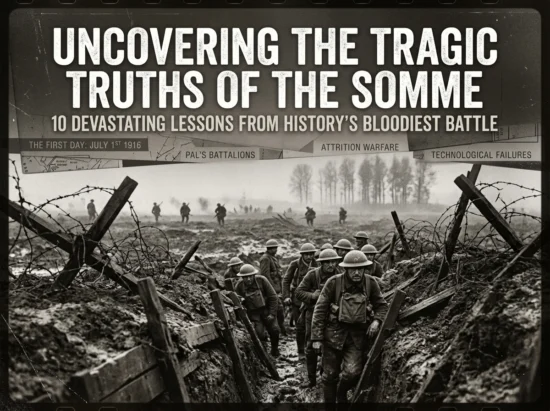
The Industrial Revolution brought significant changes to the evolution of modern soldiers. Mass production techniques enabled the rapid production of standardized equipment, such as rifles and machine guns, which greatly increased the effectiveness of modern armies. The development of new technologies, such as tanks and aircraft, also transformed the nature of warfare, allowing for more mobile and versatile forces. The rise of mechanized warfare during World War I saw the introduction of armored vehicles, airpower, and other technologies that would shape the modern battlefield.
The 20th Century: The Emergence of Advanced Technology
The 20th century saw the emergence of advanced technologies that would further transform the nature of warfare. The development of nuclear weapons, for example, introduced the concept of mutually assured destruction and the idea that modern armies must be capable of surviving in a nuclear environment. The rise of computer technology and the internet also enabled modern armies to process vast amounts of data, communicate effectively over long distances, and deploy advanced sensors and surveillance systems. The introduction of precision-guided munitions and drones also enabled modern soldiers to attack more accurately and with greater lethality.
The 21st Century: The Age of Network-Centric Warfare
The 21st century has seen the emergence of network-centric warfare, which relies on the integration of advanced technologies, such as the internet, satellite communications, and advanced sensors, to enable modern soldiers to operate more effectively. The use of advanced materials, such as Kevlar and ceramic composites, has also enabled modern soldiers to wear more advanced body armor and protect themselves more effectively. The development of advanced sensors and surveillance systems has also enabled modern armies to detect and respond to threats more quickly and effectively.
Conclusion
The evolution of modern soldiers has been shaped by technological advancements, societal changes, and the emergence of new warfare strategies. From ancient warriors to technologically advanced fighters, the modern soldier has been transformed by the introduction of new technologies, the emergence of new warfare strategies, and the changing nature of modern warfare. As we look to the future, it is clear that the modern soldier will continue to evolve, shaped by the introduction of new technologies, the emergence of new warfare strategies, and the changing nature of modern warfare.
FAQ
Q: What is the primary difference between ancient and modern soldiers?
A: The primary difference between ancient and modern soldiers is the level of technological advancement. Ancient soldiers relied on hand-to-hand combat and primitive weapons, while modern soldiers are equipped with advanced technologies, such as firearms, artillery, and drones, which have greatly increased their effectiveness.
Q: How has the concept of chivalry influenced the evolution of modern soldiers?
A: The concept of chivalry emerged during the Middle Ages and emphasized the importance of honor, loyalty, and martial prowess among knights. While the concept of chivalry has largely disappeared from modern warfare, its legacy can be seen in the emphasis on discipline, loyalty, and martial prowess among modern soldiers.
Q: What role has the Industrial Revolution played in the evolution of modern soldiers?
A: The Industrial Revolution enabled the mass production of standardized equipment, such as rifles and machine guns, which greatly increased the effectiveness of modern armies. The development of new technologies, such as tanks and aircraft, also transformed the nature of warfare, allowing for more mobile and versatile forces.
Q: How has the development of advanced materials, such as Kevlar and ceramic composites, impacted the evolution of modern soldiers?
A: The development of advanced materials has enabled modern soldiers to wear more advanced body armor and protect themselves more effectively. This has greatly increased their survivability on the battlefield and has allowed them to operate more effectively in a variety of environments.
Q: What is the significance of network-centric warfare in the evolution of modern soldiers?
A: Network-centric warfare relies on the integration of advanced technologies, such as the internet, satellite communications, and advanced sensors, to enable modern soldiers to operate more effectively. This has greatly increased their ability to detect and respond to threats, and has enabled them to operate more effectively in a variety of environments.