Table of Contents
Japanese Feudal Warfare Explained
Introduction to Japanese Feudal Warfare
Japan’s feudal era, which lasted from the 12th to the 19th century, was marked by a complex system of warfare and politics. The country was divided into various daimyos, or feudal lords, who ruled over their own domains and maintained their own armies. This system of warfare was shaped by the country’s history, geography, and culture. In this article, we will explore the intricacies of Japanese feudal warfare, including its key features, notable battles, and the role of key figures.
The Origins of Japanese Feudal Warfare
Japanese feudal warfare has its roots in the Heian period (794-1185 CE), when the country was divided into various provinces, each ruled by a powerful daimyo. The daimyos maintained their own armies, which were composed of samurai, or warriors, who were loyal only to their lord. This system of warfare was further solidified during the Kamakura period (1185-1333 CE), when the Minamoto and Taira clans fought for control of the country. The Genpei War (1180-1185 CE) was a pivotal conflict that shaped the course of Japanese feudal warfare.
The Structure of Japanese Feudal Warfare
Japanese feudal warfare was characterized by a complex hierarchy of power. At the top was the shogun, who was the military dictator of Japan. Below him were the daimyos, who ruled over their own domains and maintained their own armies. The daimyos were further divided into two groups: the bakufu, or the shogun’s vassals, and the hatamoto, or the shogun’s direct vassals. The samurai, or warriors, made up the bulk of the armies, and were loyal only to their lord. This system of warfare was further complicated by the existence of the ronin, or masterless samurai, who were often relegated to the fringes of society.
The Role of the Samurai in Japanese Feudal Warfare
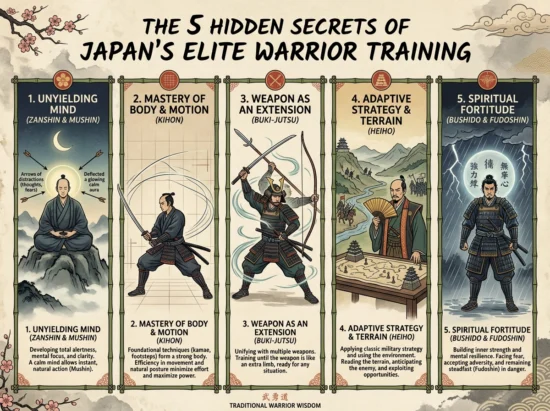
The samurai played a crucial role in Japanese feudal warfare. They were the warriors of the daimyos, and were trained in the art of combat from a young age. The samurai were expected to be loyal only to their lord, and were often rewarded with land and titles for their service. The samurai were also expected to adhere to a strict code of conduct, known as bushido, which emphasized honor, loyalty, and discipline. Bushido was a key aspect of Japanese feudal warfare, and was used to justify the actions of the samurai in battle.
Notable Battles of Japanese Feudal Warfare
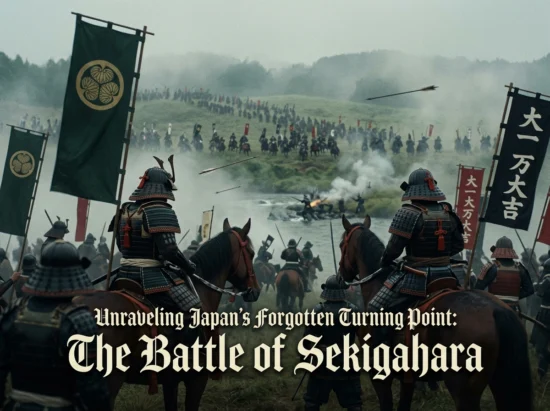
There were several notable battles that took place during the Japanese feudal era. One of the most famous was the Battle of Sekigahara (1600 CE), which marked the beginning of the Edo period (1603-1867 CE). The battle saw the Tokugawa shogunate emerge victorious, and marked the beginning of a period of relative peace and stability in Japan. Another notable battle was the Battle of Nagashino (1575 CE), which saw the Oda and Tokugawa clans clash in a decisive victory for the former.
The Decline of Japanese Feudal Warfare
Japanese feudal warfare began to decline in the 19th century, when the country was forced to open up to the world through the arrival of American Commodore Matthew Perry in 1853. The arrival of foreign powers and the subsequent Meiji Restoration (1868 CE) marked the end of the feudal era and the beginning of a new era of modernization and industrialization in Japan. The samurai class was abolished, and the daimyos were forced to adopt Western-style dress and customs.
The Legacy of Japanese Feudal Warfare
Japanese feudal warfare has left a lasting legacy on the country’s culture and history. The samurai class has been romanticized in popular culture, and the concept of bushido continues to be studied and revered today. The country’s modern military was formed from the ashes of the feudal era, and the concept of honor and loyalty continues to be a key aspect of Japanese society. The legacy of Japanese feudal warfare serves as a reminder of the country’s rich and complex history, and the importance of understanding and respecting the past.
FAQs About Japanese Feudal Warfare
Q: What was the role of the daimyos in Japanese feudal warfare?
A: The daimyos were the feudal lords who ruled over their own domains and maintained their own armies. They were responsible for maintaining order and stability within their domains, and were often rewarded with land and titles for their service.
Q: What was the significance of the Battle of Sekigahara?
A: The Battle of Sekigahara marked the beginning of the Edo period (1603-1867 CE) and the rise of the Tokugawa shogunate. It was a decisive victory for the Tokugawa clan, and marked the beginning of a period of relative peace and stability in Japan.
Q: What was the concept of bushido?
A: Bushido was a code of conduct that emphasized honor, loyalty, and discipline. It was a key aspect of Japanese feudal warfare, and was used to justify the actions of the samurai in battle. Bushido emphasized the importance of loyalty to one’s lord, and the need to adhere to a strict code of conduct.
Q: What was the significance of the ronin in Japanese feudal warfare?
A: The ronin were masterless samurai who were often relegated to the fringes of society. They were seen as a threat to the social order, and were often forced to live on the margins of society. Despite this, the ronin played a significant role in Japanese feudal warfare, and were often responsible for carrying out key missions and tasks.